science
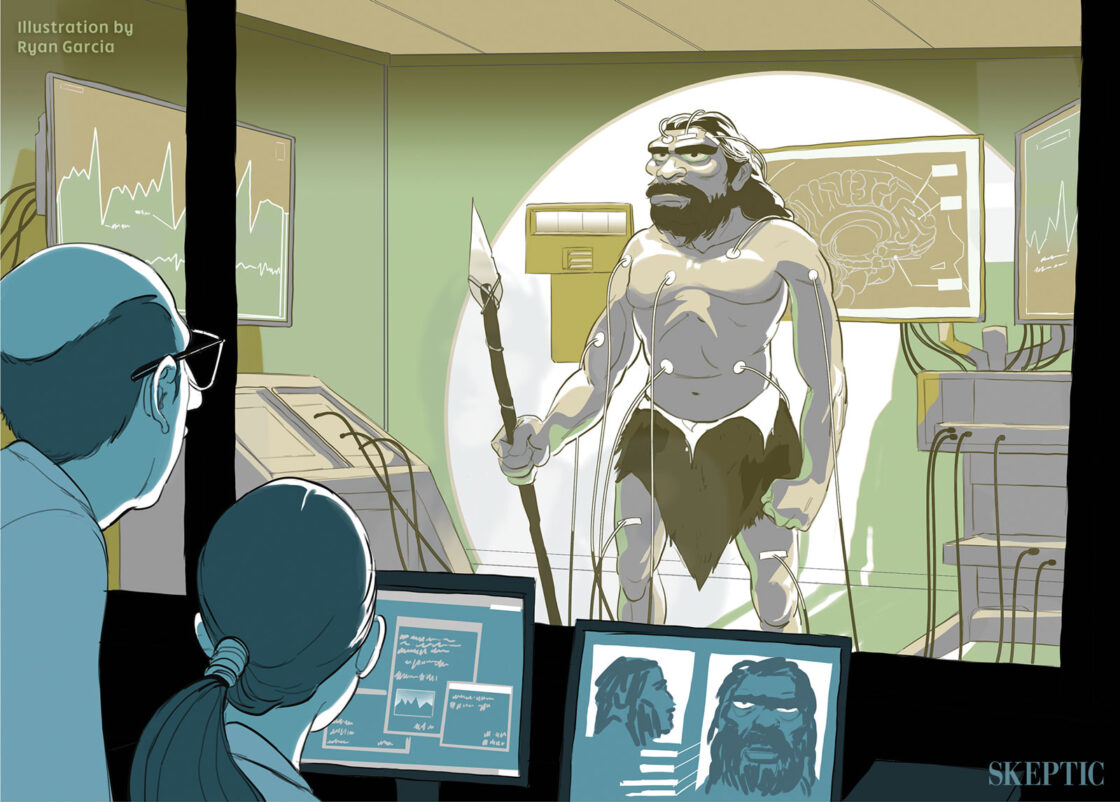
“Nothing in biology makes sense except in the light of evolution.” —Theodosius Dobzhansky Why can one person smoke and drink heavily into their 90s while another dies from cancer in their 40s? Why are we fat? Why does a suntan look and feel so good if it is bad for us? Why is alternative medicine […]
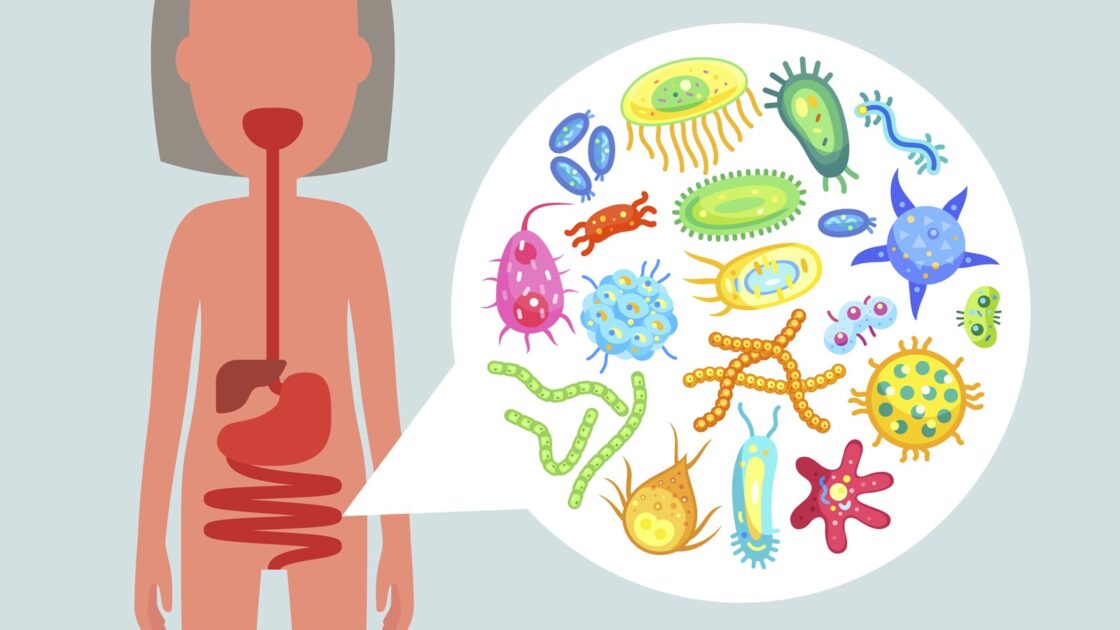
Skeptic: Let’s start with the big questions. What is the problem to be solved? And why is systems biology the right method to find the answer? Leroy Hood: The problem is this great complexity. Reductionism is the approach where you take an element of a complex system and study that element in enormous detail. However, […]
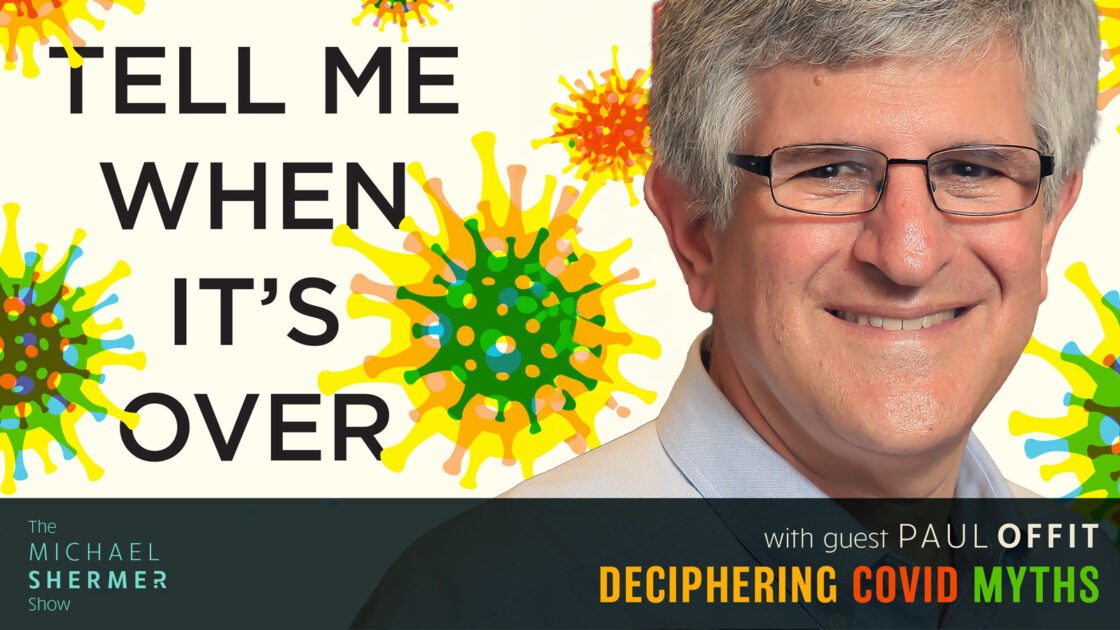
Shermer and Offit discuss: mRNA vaccines • science gone wrong or part of the long and risky history of medical innovation? • loss of trust in medical and scientific institutions • overall assessment of what went right and wrong • mandates vs. recommendations • economic costs • lab leak hypothesis vs. zoonomic hypothesis • debating anti-vaxxers • treatments • high risk vs. low risk groups • Robert Malone,Joe Rogan, RFKJ, Peter Hotez, Del Bigtree • Stanford professor Jay Bhattacharya censored for signing the…
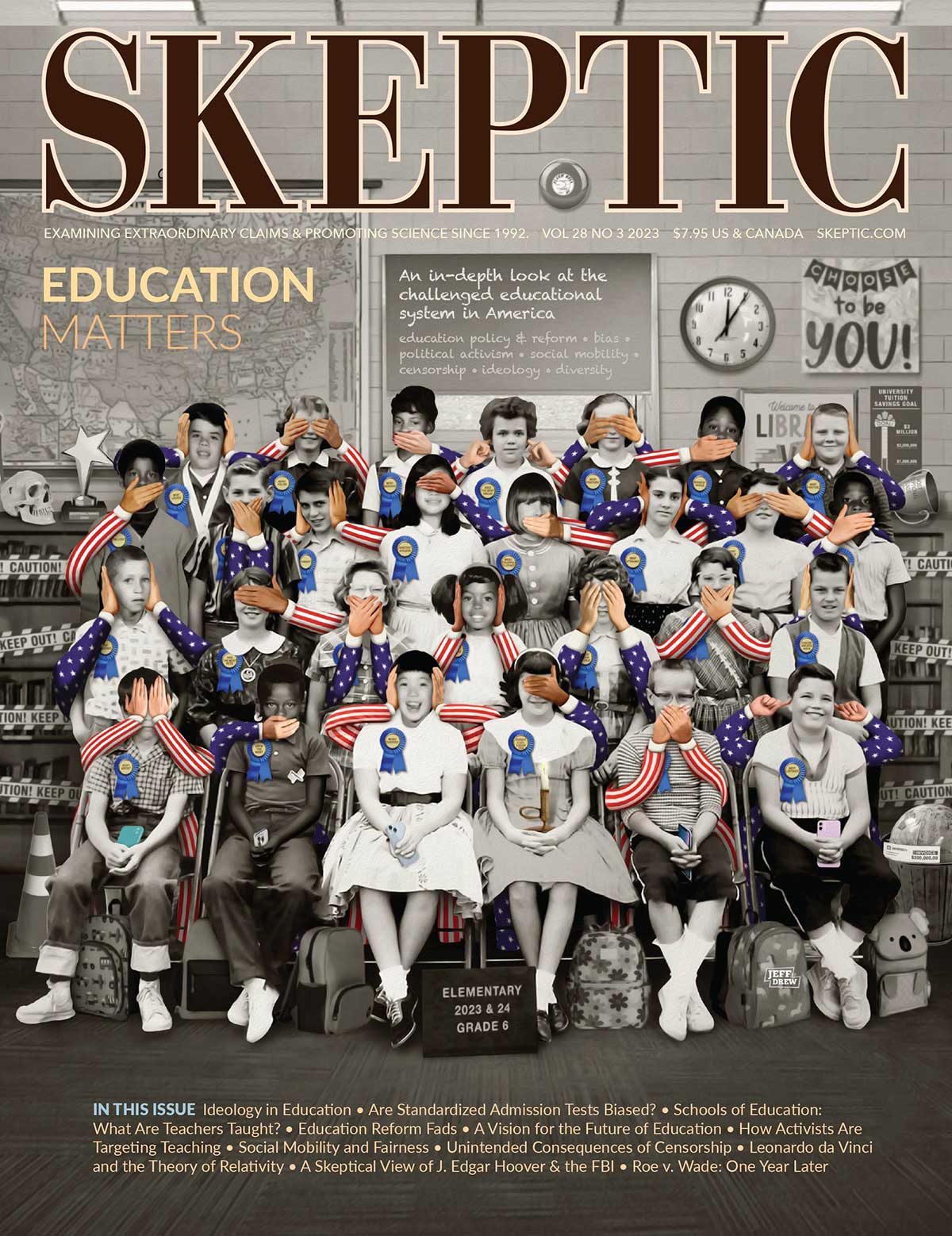
Instead of liberal-conservative bias in education we should think about biases and orthodoxies by topic. Each side values truth and cites facts, but only if they confirm what they already believe. Ideological and Political Bias in Psychology (edited by Frisby, Redding, O’Donohue, & Scott Lilienfeld) details the harm to psychological science, academia, and society from today’s very illiberal ‘woke’ ideology.
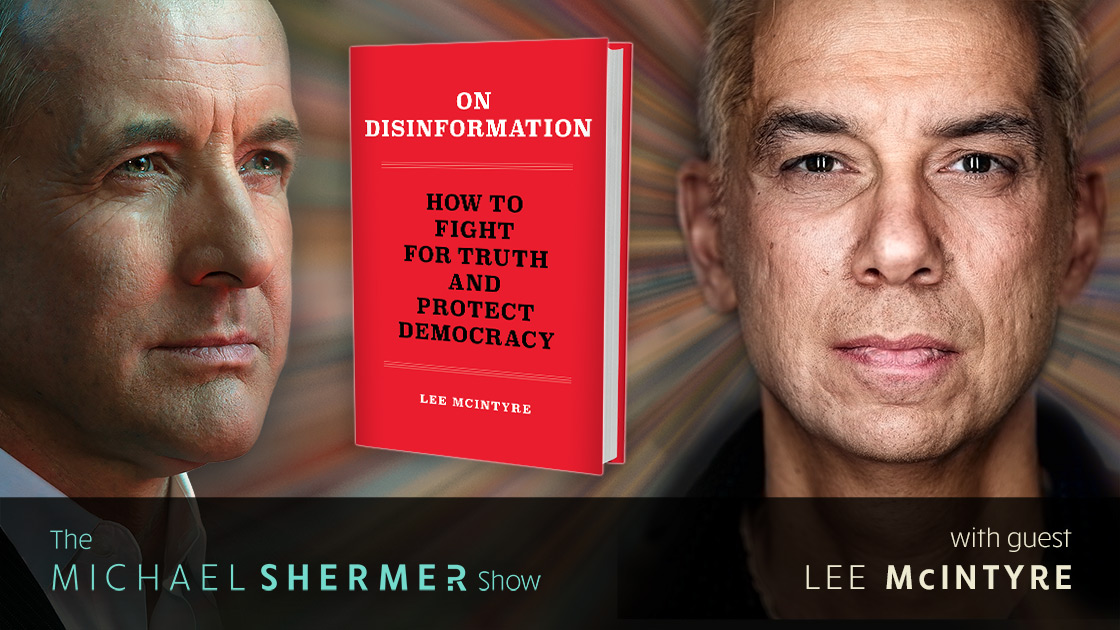
Shermer and McIntyre discuss: default to truth theory • RFK Jr. • whether reason evolved for veridical perception or group identity? • How do we know what is true and what to believe? • worst case scenarios if Donald Trump wins in 2024 • trans issues, race issues, GMOs, nuclear power, climate doomsdayism • What went wrong during the COVID-19 pandemic? • disinformation about masks, vaccines • social media and disinformation.
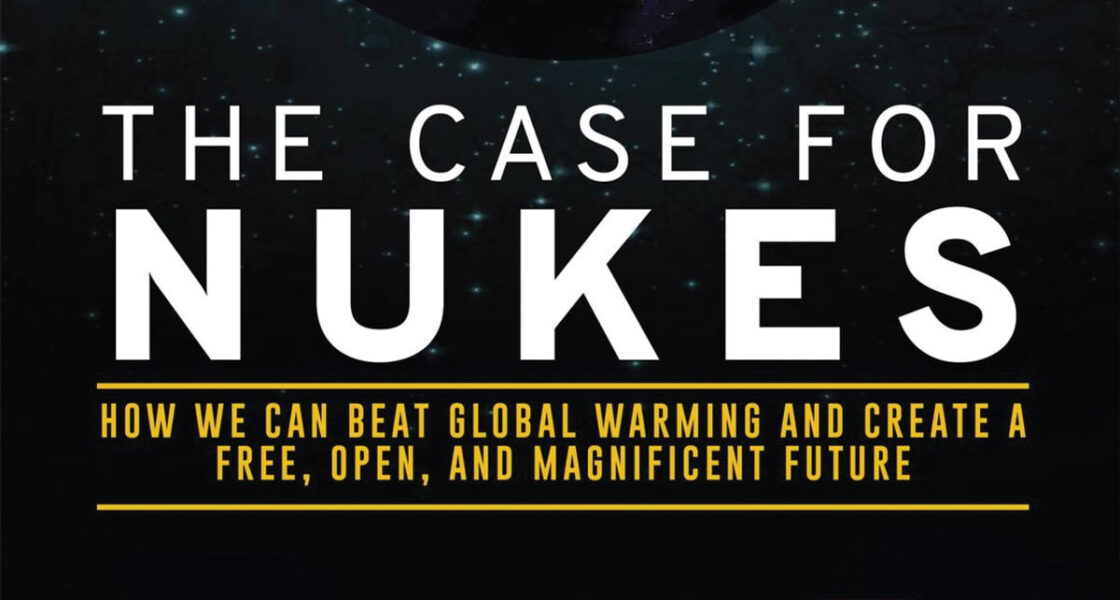
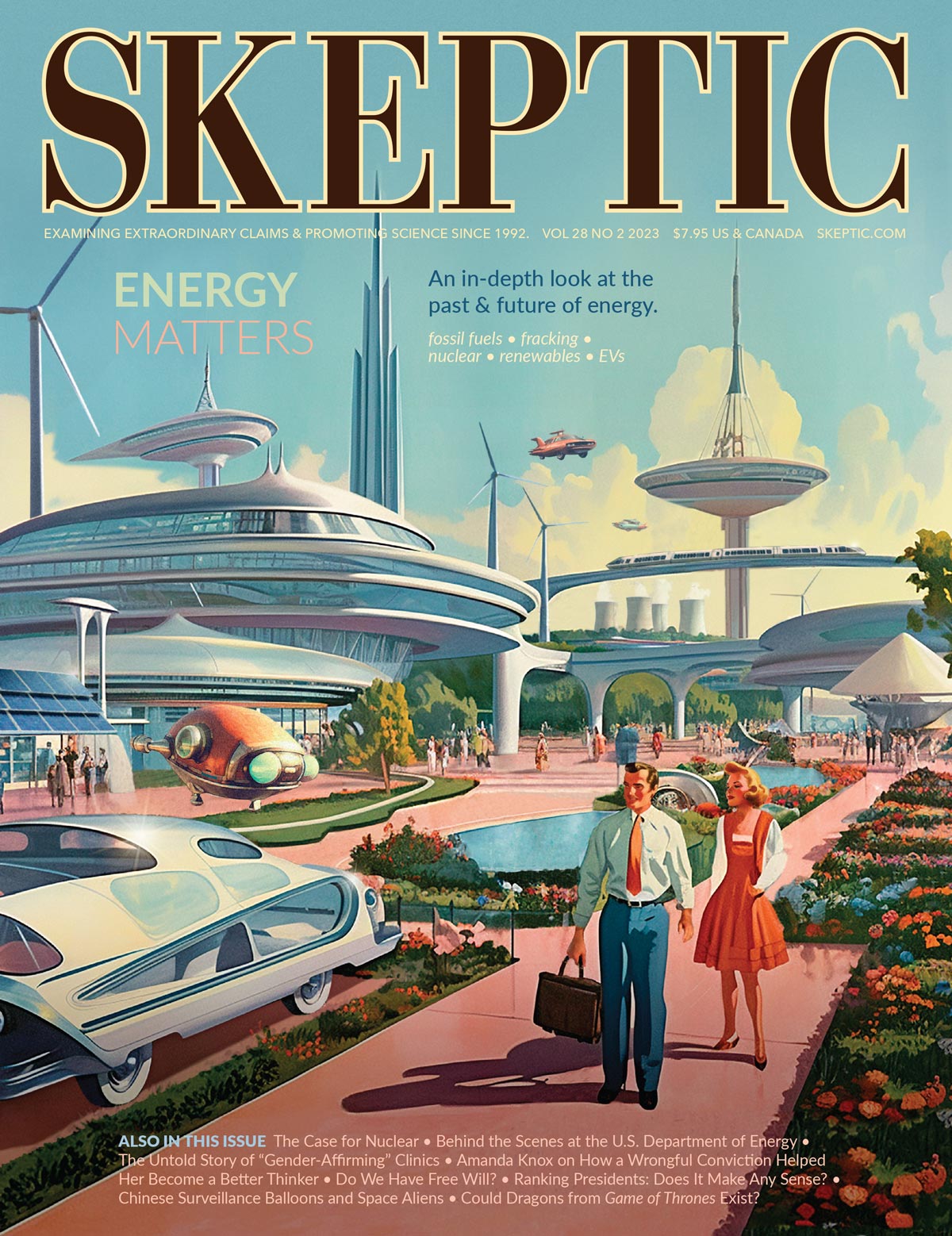
The world faces two energy crises: (1) too much, because we are changing the Earth’s climate and chemistry and so inviting global catastrophe; and (2) too little, because the bulk of humanity still lives in poverty, without enough for a decent standard of living. The answer to both is to go nuclear. Upon examination, the arguments made against nuclear energy, including: emissions, waste disposal, accidents, and proliferation are shown to be exaggerated, unfounded, or soluble using even currently available technology.

Media coverage often claims scholastic admissions tests (e.g., SAT, GRE) are inaccurate, inequitable, and ineffective because: (1) any racial/ethnic differences are caused by test bias; (2) tests don’t predict anything important; (3) tests merely reflect wealth not acquired skills or academic potential; so (4) admissions would be fairer without them. This article presents mainstream scientific evidence that each claim is false. Since admission test scores are the most resistant to bias, getting rid of them would make admissions less fair.
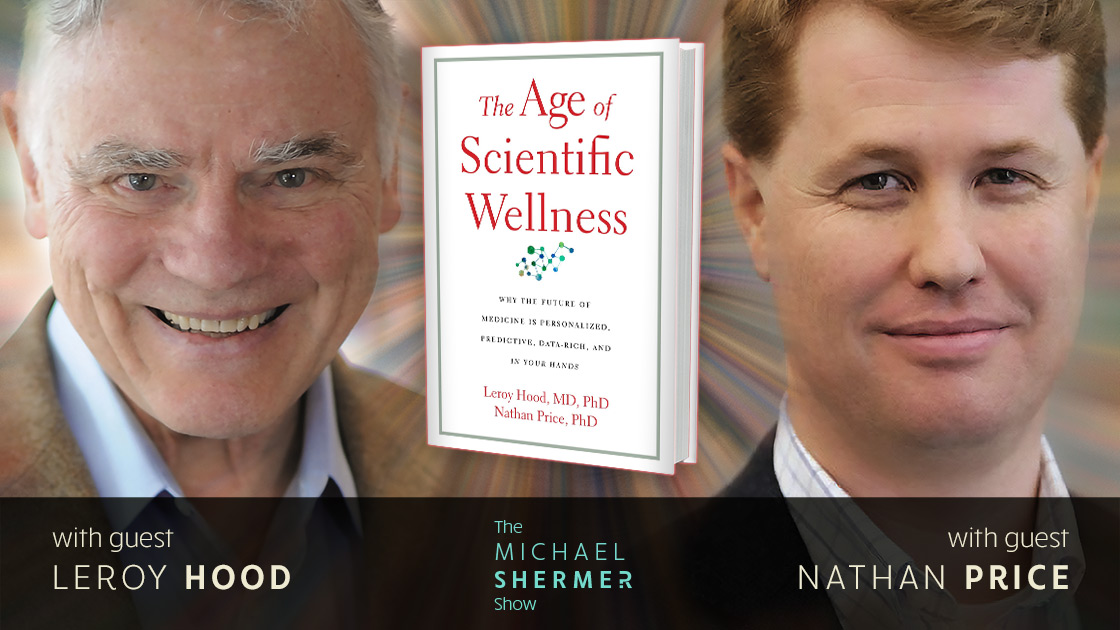
Hood, Price, and Shermer discuss: why we age and die • sickcare vs. healthcare • the 10 most popular drugs in the U.S. work for only about 10% of treated people • chronological age ≠ biological age • life expectancy, life span, longevity, and healthspan • why eliminating all cancers would only increase average life span by 3 years • genome vs. phenome • gut biome • optimizing brain function • brain plasticity • sleep, nutrition, exercise • Alzheimer’s • AI and…
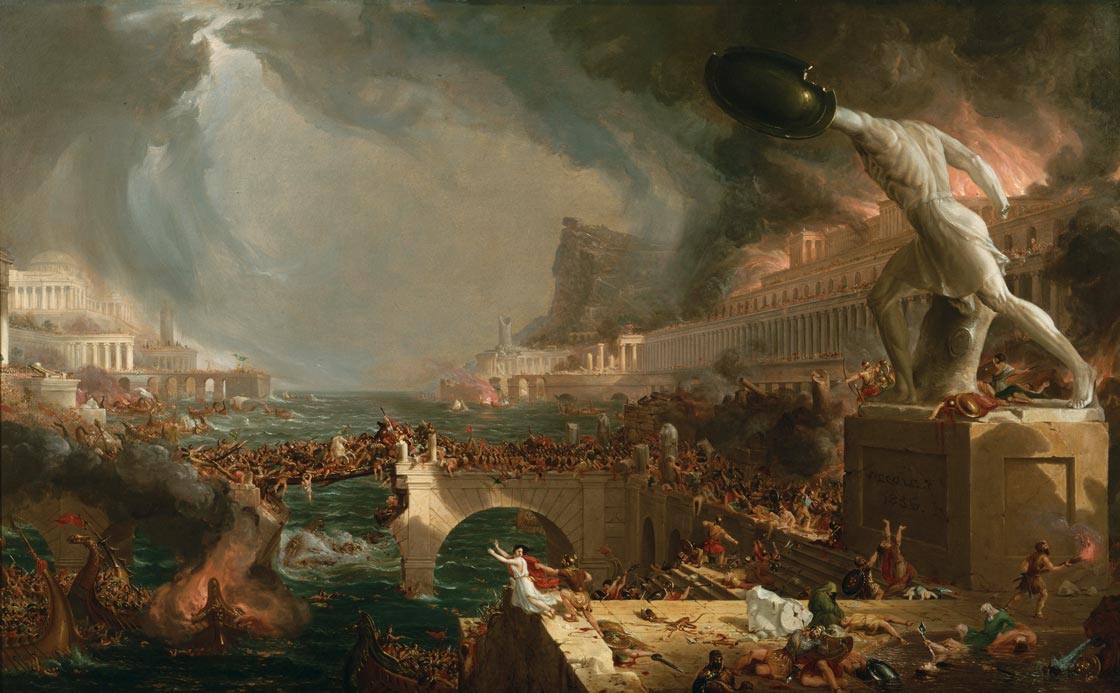
Alternative archaeologist Graham Hancock has for 40 years been writing bestselling books about the possibility of a lost ancient civilization that existed long before the Egyptians, Hittites, and Babylonians, and now he hosts a wildly popular Netflix documentary series called Ancient Apocalypse in which he presents his theories about what destroyed this lost civilization, which he suggests is described in the legend and myth of Atlantis, in stunning cinematographic beauty. But is it true? In this analysis of the documentary…
If you search the web or look in introductory science textbooks, you will find the hypothetico-deductive (H-D) method often depicted as the scientific method. However, the H-D method is inadequate as a description of the scientific method, especially when it comes to assessing pseudoscientific or other dubious claims. An alternative to the H-D method more […]
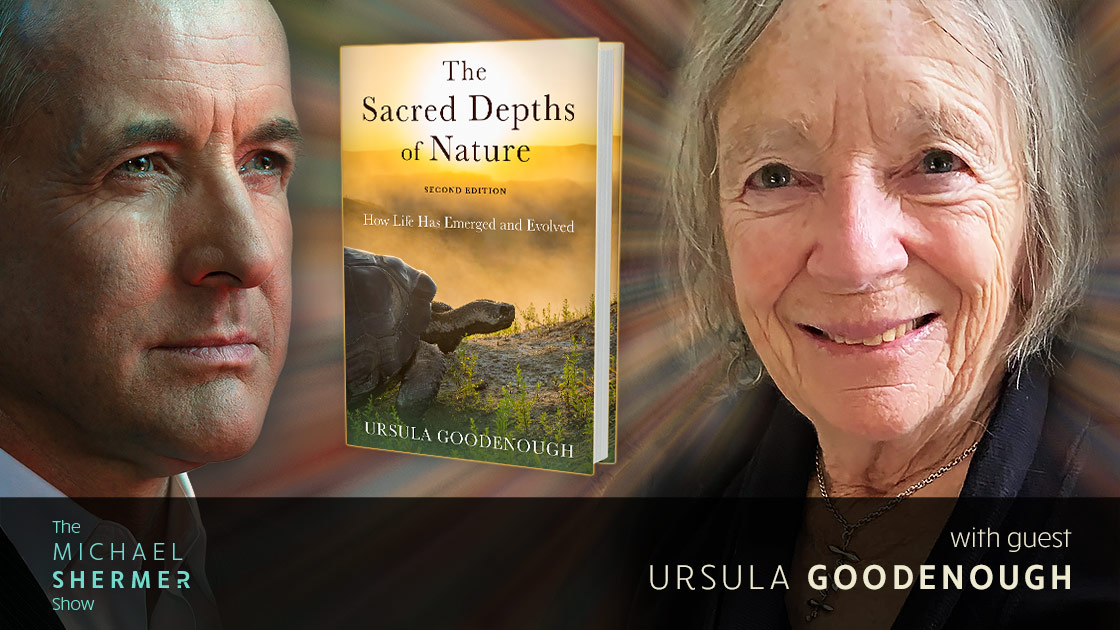
Shermer and Goodenough discuss: origins of her personal beliefs • origins life, RNA, DNA, consciousness, language, morality • myths and religions • what it means to be “religious” • religious naturalism • where the laws of physics came from • why the universe seems so strange • chance and evolution • fine tuning of the cosmos • autocatalysis and emergence • purpose of religion • ethics and morality without religion.
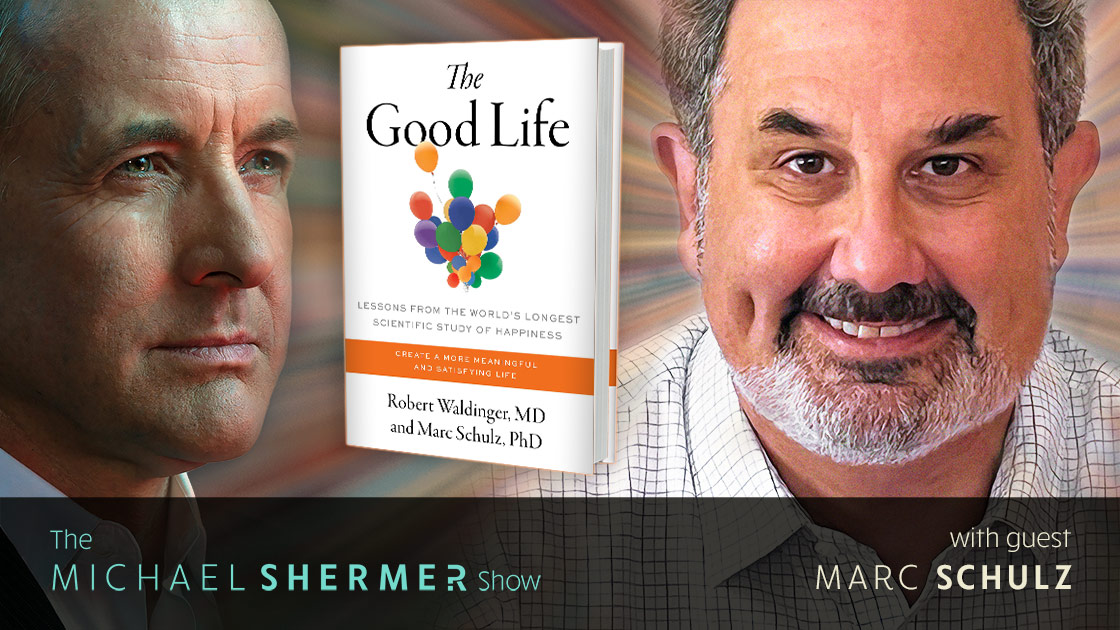
Shermer and Schulz discuss: an operational definition of the “good life” or “happiness” or “well being” • the reliability (or unreliability) of self-report data in social science • relative roles of genes, environment, hard work, and luck in how lives turn out • personality and to what extent it can be scientifically measured and studied • factors in early childhood that shape mental health in mid and late life • generational differences: • the impact of loneliness • misconceptions about happiness…
There is probably no other scientific discipline in which fads come and go so quickly, and with so much hype, as psychology. In his Quick Fix, Jesse Singal discusses eight different psychological ideas that have been promoted as quick fixes for different social problems. He refers to these as “half-baked” ideas—ideas that may not be 100 percent bunk but which are severely overhyped. This review of Singal’s book discusses the many different flawed studies that derailed psychology for years.

Entropy keeps the arrow of time moving; today is less ordered than yesterday, and this is certain. If we extrapolate this concept backwards, through our scientific narrative to the origins of the universe, then we must postdict a universe that was once ordered only through its lack of movement, which means it was frozen. But even then, as Galileo once said of the Earth, eppur si muove, but it does move. And if it moves, it creates heat, and understanding…

Science and religion present two paradoxes in the United States. On the one hand, the U.S. is the undisputed world leader in science. Yet, the U.S. is also the wealthy industrialized country with the most widespread skepticism about science, most notably regarding climate change, vaccines, and evolution. How can those two seemingly incompatible facts be reconciled? This article solves this paradox.
Dr. Harriet Hall shows how the failure to read medical and health literature carefully and critically leads to a number of cognitive problems, such as correlation is not causation, and personal anecdotes and testimonials don’t count as evidence. We will miss Dr. Hall’s wisdom and encourage readers to visit her website to read her many writings over the years on medical, health, diet, and related topics.
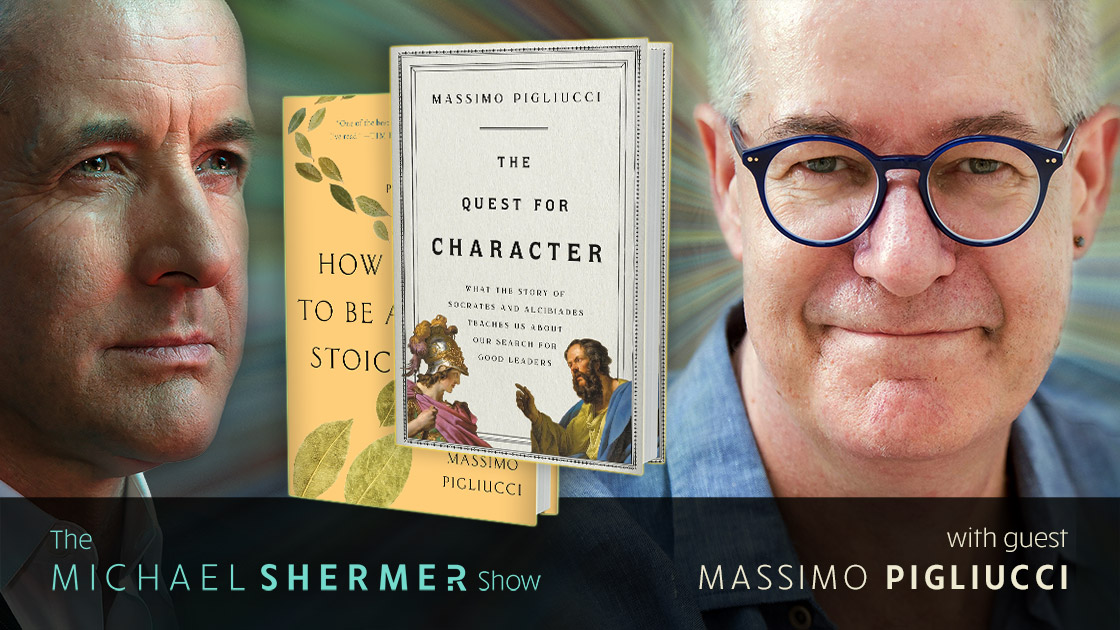
Shermer and Pigluicci discuss: his journey from Rome to New York • evolutionary biology • stoic philosophy • can there be a science of meaning and morality? • ultimate questions • desire, action, depression, suicide, anger, anxiety, love, and friendship • practical spiritual exercises • how to react to situations • teaching virtue to politicians • philosophy and politics • character and leadership • the nature of evil.

When people estimate the size of large crowds—from presidents and their inaugural addresses to rock stars and their concert audiences—we know that there can be a lot of blue sky exaggeration in the numbers. But how do professionals estimate crowd sizes using the latest tools of science and mathematics? In this article John D. Van Dyke reveals the secrets to estimating how many people are gathered in any one space.
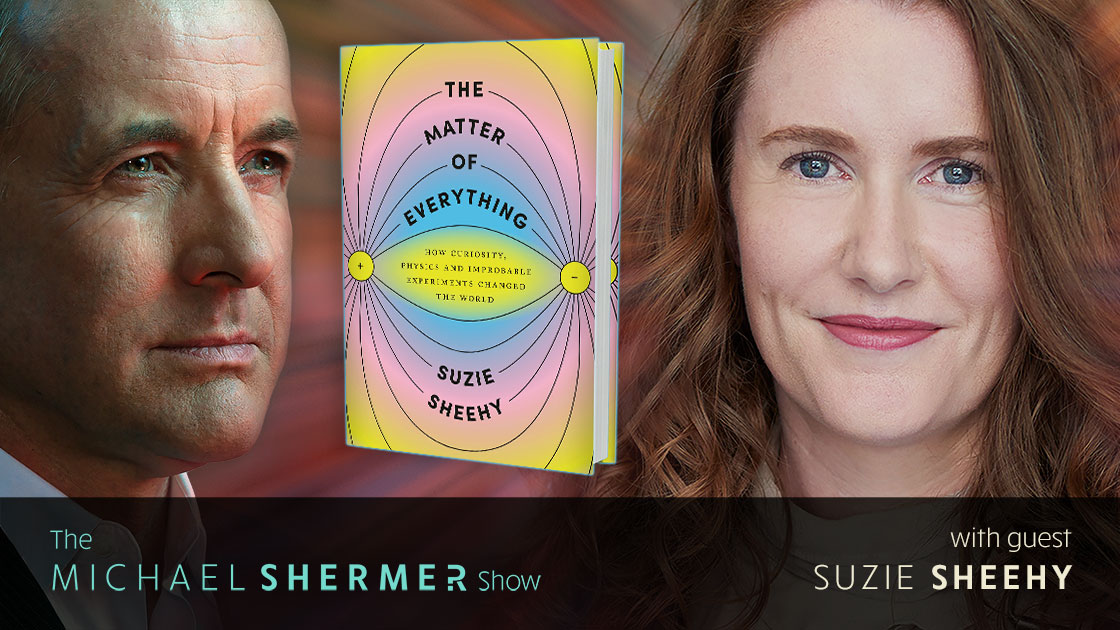
Shermer and Sheehy discuss: what it’s like being a female physicist in a mostly male field • Does science progress through falsification, confirmation, consensus, or Bayesian reasoning? • atoms, light, Higgs Boson, time, gravity, dark energy, dark matter, string theory, radioactivity • Gold Foil Experiment • cloud chambers • particle accelerators • splitting the atom • Is there a place for God in scientific epistemology? • Is math all there is? Is math universal? • other universes, dimensions, and the multiverse.
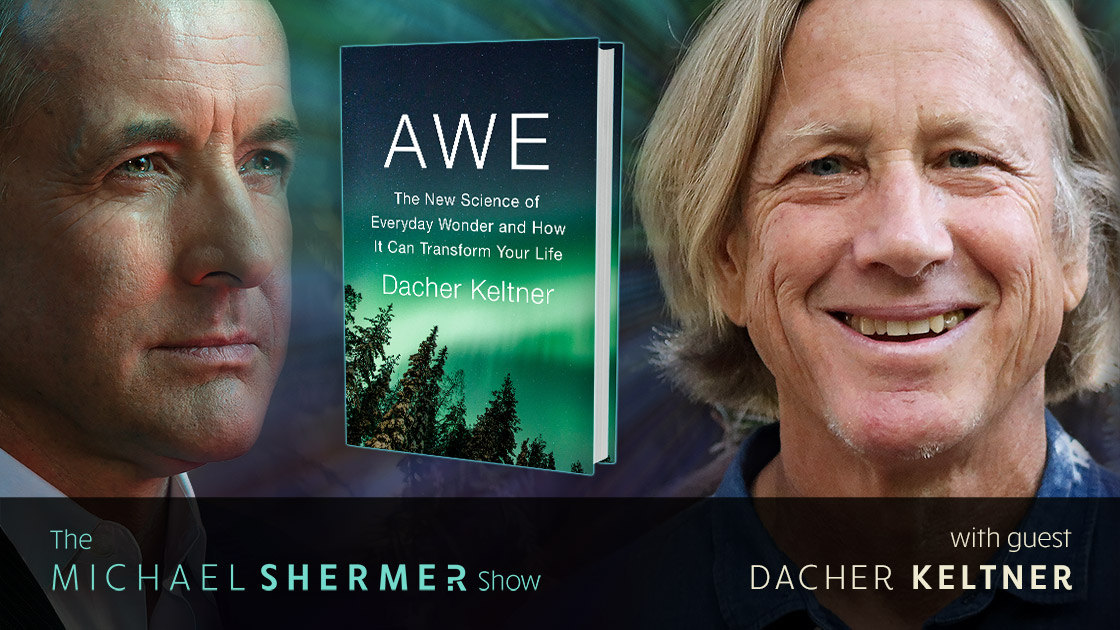
Shermer and Keltner discuss: the death of his brother and how this led to his study of awe • an operational definition of awe • the reliability (or unreliability) of self-report data in social science • how to quantify and measure the experience of awe • What are emotions and how can they be measured? • How has the scientific understanding of emotions changed? • predictors of awe: nature, music, art, dance, movement/exercise, love & friendships • awe in moral…
NEXT →