Birds of a Feather: Why We Like the Ones We’re Like … Most of the Time
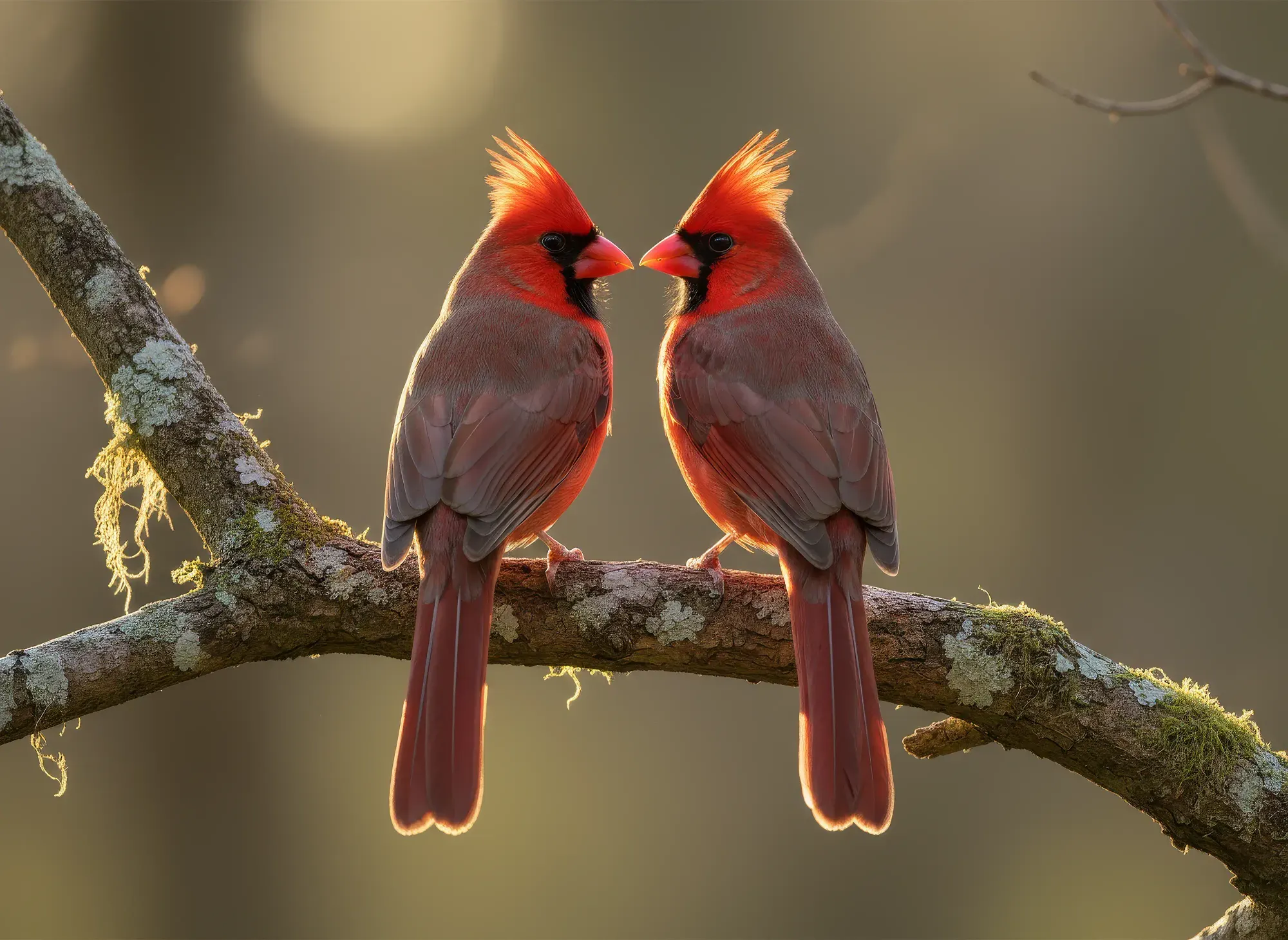
Do “birds of a feather flock together” or do “opposites attract”? It may appear that they can’t both be true, but in fact it depends on different traits. For example, research shows humans are attracted to mates with different major histocompatibility complex genes—those involved in the functioning of the immune system.1 This is important because it leads to having children who are resistant to a broader array of pathogens than either parent alone, so its evolutionary significance is obvious. Scientists call this negative assortative mating or heterophily (“different love”).
On the other hand, research has also shown that we are attracted to mates with a variety of similartraits, including cognitive, behavioral and physical features,2, 3, 4, 5, 6 and this is called positive assortative mating or homogamy.7, 8 Scientists have now accumulated extensive evidence that suggests such similarity was selected for in our evolutionary past because it serves as a proxy for genetic similarity.9, 10, 11, 12, 13, 14 Additional research suggests that there were higher levels of assortative mating for traits that are highly heritable; that is, the more a particular trait is genetically influenced, the more it was used to select our mates.15 And this even appears to be true among other animals.16
The following is the evolutionary theory of what is going on here: to the extent that certain traits are at least partially heritable, similar sexual partners will not only be more genetically related to each other, but also to their offspring. And since genetic similarity leads to greater altruism and affection between people,17, 18, 19, 20, 21 this assortative mating leads to higher levels of parental effort that permits having reduced numbers of offspring, especially among individuals with slower life history strategies, who, not coincidentally, have also been found to have significantly higher levels of assortative mating.22, 23 This is because slower life history strategists live longer and healthier lives, so they need fewer offspring to get their genes into the next generation, creating a positive feedback loop.
The question then arises as to precisely which traits are being targeted by the assortative mating behavior that we observe. Here both theory and empirical research has advanced the theory that humans assortatively mate on total mate value—a composite of socially and sexually desirable traits—rather than any particular individual feature.24, 25, 26 This is reflected in common sense observations, such as that a couple is “mismatched,” or “wrong for each other,” or “don’t make a good couple,” especially when one partner is seen as having higher mate quality than the other, which can even lead to snarky remarks like “Why are they together?” or that the more attractive partner “could do better.”
Implied in such snide comments is that the more attractive partner will eventually dump the less attractive partner—or “trade up”—for one of higher mate value. What has been termed the matching hypothesis27 predicts, for example, that successful couples might trade off one desirable trait for another, sometimes in sex-specific ways, such as physical attractiveness in a woman versus socioeconomic status in a man. While the matching hypothesis has some truth to it—at least temporarily for extreme cases such as “trophy wives” in the old days and now “trophy husbands and boyfriends”—research that tested for assortative mating on other traits alongside mate value found that cross-partner trait correlations exist independently for these other individual traits, and not only for total mate value.28
Those studies also found that the degree of assortment on “mate value” between same-sex friends was statistically equivalent cross-culturally to that between opposite-sex lovers, indicating that this “mate value” criterion is not applied uniquely to sexual partners but is also commonly applied to socialpartners. Indeed, spouses and best friends were as similar to each other as were fraternal twins.29 Spouses and best friends of identical twins showed even greater resemblance to their twins’ partners and friends than was found among fraternal twins.
Even inside the brain, we tend to be more like the people we like than those we don’t.
These results show that assortative pairing for genetic similarity applies across multiple successive links of social and sexual relationships. Thus, people tend to pair up with similar others, whether sexually or socially, in what is termed assortative sociality.30, 31 For social (as opposed to sexual) relationships, these phenomena are termed assortative pairing; the technical term for this is homophily. Looking at this phenomenon more closely, these patterns extend beyond romantic partners to friendships. One influential study32 of more than 800 pre-adolescents found an association between themselves and their best friends on cognitive test scores and a number of social and demographic variables. There was, for example, a positive correlation between the participants’ intelligence test scores and those of their best friends (so smart kids like to hang out with other smart kids).
Moreover, the intelligence scores of best friends were positively correlated with their own mother’s intelligence test score, and also with the education level of the corresponding friend’s mother (even while controlling for other variables, such as ethnicity or maternal education), although boys showed greater similarities with their best friends in intelligence test scores than did girls.
Neuroimaging studies also indicate that, compared to strangers, friends exhibit more similar neural responses to experimental stimuli. For example, researchers analyzing neuroimaging data found that the similarity in participants’ brain activity negatively predicted their social distance (that is, the more similar the neural patterns, the closer the participants felt to each other).33 So even inside the brain, we tend to be more like the people we like than those we don’t (again, controlling for other variables such as sex, nationality, age, ethnicity, and handedness). So, in addition to friends having similar social backgrounds, the way in which they process information is a key contributor to the rise and maintenance of friendships.

The Heritability of Homophily
Research on the behavioral genetics of social preferences, including peer relationships, provides further insight into the extent to which genes, above and beyond environmental factors, contribute to our decisions to pursue and maintain friendships. Is it really possible that we inherit a propensity to choose our friends? It is.
When researchers analyzed self-reported data on the characteristics of the study participants’ peer group, including college orientation (educational achievement, intelligence, and abstinence), delinquency (drug use, rebelliousness), and popularity (friendliness, social status, and outgoing behavior), they found that about half of the variation in peer group college orientation was heritable, while the other half was attributed to the nonshared environment (that is, those environmental factors that were not the same for both individuals).34
As well, data taken from the massive National Longitudinal Study of Adolescent Health35 was analyzed to determine the correlations between individuals’ GPAs, measures of aggression, depression, and verbal intelligence, along with those of their friends. The data sets included, but were not limited to, identical twins, fraternal twins, and randomly assigned pairs of individuals. The analysis revealed that same-sex friends of identical twins showed stronger correlations in GPA, verbal intelligence scores, and aggression, compared to fraternal twins and to random pairs of individuals.
These results suggest that homophily among adolescents is partly attributable to underlying genetic similarity among friends.36
Another longitudinal study37 reported that the correlation between low self-control and drug use was stronger for identical twins than for fraternal twins. So even low self-control appears to be at least partially heritable.
Overall, these findings reveal that peer relationships and behaviors, such as drug use, are in part explained by genetic variation. Four potential genetic mechanisms have been proposed:
- The observed genotypic correlations are merely a byproduct of individuals developing friendships with people who are geographically or ethnically close to them.
- Individuals actively avoid individuals who are genetically different from them and instead seek people who resemble them at a genetic level.
- Individuals choose a particular environment, and as a consequence they interact with other people who are similar to them.
- Third parties (such as college admissions, military service, job placement) select individuals and sort them into environments where they interact with people similar to them.
Are there any data that could be examined to test for mechanisms that favor a strong genetic influence? There are, and they come from the Framingham Heart Study, the famous long-term cardiovascular study of residents of the city of Framingham, Massachusetts, that began in 1948 and continues to this day.
These data were analyzed using a Genome-Wide Association Study on more than 460,000 single-nucleotide polymorphisms (SNPs, common variations in a single DNA building block, or nucleotide, that differ from the reference sequence in at least one percent of the population) of close to 2,000 individuals who were part of at least one of 1,300 friendship pairs. These models accounted for the participants’ shared genetic ancestry (removing the effects of geographical distance and ethnic descent), to determine if the genetic correlations among friends were attributed to factors beyond simply being geographically or culturally close.
Subsequent tests were performed with only those participants whose coefficients of relatedness (a measure of genetic proximity between people) were equal to or below zero, thus controlling for any participants’ biases toward closely related individuals. Finally, random pairs of strangers were generated to further check for the absence of genetic correlations among people who are not friends.
Compared to strangers, friends had more significant genetic correlations for both homophily andheterophily (a preference to connect with people who differ from us in some way), in two ways: First, SNPs associated with olfaction exhibited homophily. Second, SNPs related to the immune system followed a heterophilic pattern. Taken together, these results are similar to those for sexual partners in demonstrating how different selective pressures operate on different genotypes. For example, friends with different immunological profiles are less susceptible to becoming afflicted with the same pathogen, thus reducing its overall transmission rate. And when individuals select their friends based on their phenotypic similarity, they increase their likelihood of obtaining benefits when interacting with partners who perceive and respond to their environment in a similar manner. Interestingly, even after controlling for shared genetic ancestry and immediate relatedness, this study concluded that the mean genetic similarity between friends was equivalent to that between fourth cousins.
What about other animals?
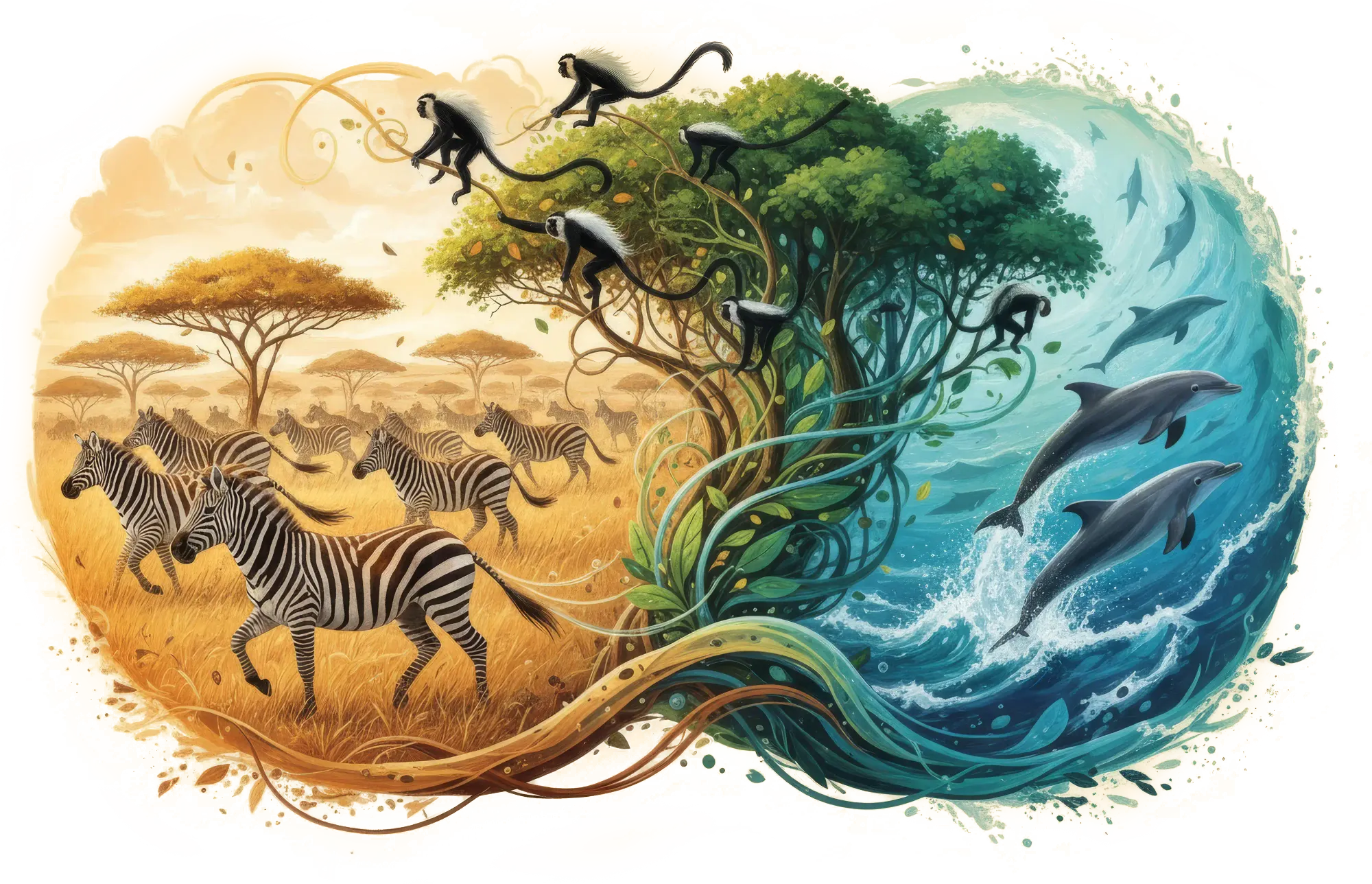
If evolution shaped us to like those who are like us, did this happen in other species? It did. One review examined how likely nonhuman animals are to establish social bonds with other group members based on shared characteristics, finding values above 50 percent.38 It also found that corresponding values in zebras, colobus monkeys, and dolphins range from 60 to 67 percent, depending on the individuals’ sex, which strongly implies that in several nonhuman mammals, individuals prefer to establish social companionships with phenotypically similar same-sex counterparts.
There is even research on such assortative sociality based on personality traits in nonhuman animals. As all dog and cat owners know, their pets have personalities, and one study39 even found that guppies have personalities! In addition to gathering personality data, the researchers released all the guppies into their original pool and observed their social behavior. Results: guppy social networks emerged based on individuals with similar behavioral scores grouping together, and bolder individuals also showed weaker social ties.
Other species, such as ungulates (hoofed animals), display similar homophily. Water buffalo, for example, show at least three personality traits: (1) Social tension, including approaches, self-grooming, and avoidance; (2) General dominance, entailing sitting and displacement; and (3) Vigilance. The difference in personality traits negatively predicts a proximity index between pairs of individuals: the more tension and dominance, the greater distance was kept, indicating that water buffalo preferred to remain physically close to individuals with similar personalities.
Another study examined homophily in female gorillas,40 focusing on two species (western lowland gorillas and mountain gorillas) and looking at how often pairs of females spent time together. Western gorillas tended to be more social, spending more time in the company of other females. Group size also mattered: in larger groups, the bonds between individual females were generally weaker. Newcomers had a harder time fitting in, too—pairs that included a recent migrant were less likely to form close relationships. Interestingly, having infants seemed to bring females together. When both mothers in a pair were raising babies, they were more likely to spend time together than pairs where only one or neither had a youngster. Similar patterns have been found in adult chimpanzees. Those who differ more in sociability engage in fewer reciprocal social interactions, but neither the difference in anxiety nor positive affect predicted the frequency of such interactions. Even among more closely related individuals, differences in sociability resulted in fewer mutual interactions.41 These results suggest that homophily, as a biosocial phenomenon, is not limited to human societies but also occurs in various nonhuman social animals.
Friendships are not limited to bonds between individuals of the same species. Evidence of assortative sociality exists between individuals of different species, such as studies on human-dog resemblance, which lends new meaning to the phrase “man’s best friend.” One study systematically reviewed physical and personality traits shared between owners and their dogs and reported that the latter similarities emerge either due to choice, as in the case of assortative sociality, or as a product of time (by means of social learning, reinforcement, and co-regulation, among other cognitive and behavioral mechanisms).42 Several studies supported the folk wisdom of there being a physical resemblance between owners and their dogs and revealed that they also share similar personality traits, particularly extraversion and emotional instability. The phenotypic similarities were possibly attributable to: (1) social learning with dogs copying their owners’ behaviors; (2) reinforcement, owners modifying dogs’ behaviors with rewards and punishments; (3) emotional convergence, wherein owners and their dogs gradually align their behaviors to specific circumstances; and (4) co-regulation, with owners and dogs actively modifying each other’s behaviors.
Another study43 used sociodemographic, personality, and cognitive data on dog owners, alongside the age, sex, neutered status, and behavior of their dogs (including aggression, destructiveness, disobedience, nervousness, among others), to determine their influence in the dogs’ success in the Canine Good Citizen (CGC) test. This protocol was designed to examine the animals’ response to human instructions, general social skills, and reaction to touch. The owners’ personalities and the quality of the relationship between owners and dogs did not contribute, but the owners’ cognitive abilities did positively contribute to the dogs’ successful performances in the CGC test. Neither sex, age, neuter status, nor most behavioral variables predicted whether the animals succeeded, except for dog disobedience, which reduced the dogs’ success. The positive effects of the owners’ stress and training times were small.

The similarities that people and their dogs share across numerous physical, cognitive, and personality traits should be examined on a trait-by-trait basis. Falling prey to biases toward specific dog breeds, some studies have hypothesized a connection between human antisocial tendencies (such as criminality or psychopathy) and what have been malignantly referred to as “vicious dog breeds,” and claimed to have found evidence for that connection but often failed to report how large these effects really were. Breed effects have explained a negligible proportion of variance (1–6 percent) in the antisociality of the human owners. Standardized instruments have indicated that dog breeds exhibiting high stranger and owner aggression, such as Chihuahuas and Dachshunds, score considerably higher relative to Boxer and Pitbull-mix breeds,44 further calling into question the validity of “vicious dogs” as a scientifically rigorous characterization.
Friendships with Similar Others and Evolution
If “birds of a feather flock together,” is “blood thicker than water”? In other words, are we more likely to help those who are genetically similar to us? Evolutionary theory suggests yes. Genetic similarity theory, an extension of the well-known idea of inclusive fitness,45 predicts that the closer two individuals are related, the more likely they are to act altruistically toward each other. In simple terms, we’re more likely to share resources, protect, or cooperate with our relatives than with strangers.
Assortative sociality theory proposes that groups of related individuals often stick together because they share social and sexual bonds, creating networks that go beyond simple pairs. Scientists can measure how genetically distinct different groups are using Wright’s fixation index, or FST.46 Think of FST as a way to compare the differences within groups to the differences between groups. A high FST means that groups are quite distinct from each other, while a low FST means the groups are more similar. For those familiar with statistical inference, FST is analogous to the way an F-ratio in statistics represents the ratio of variance between groups to variance within groups—FST therefore reflects the relative proportion of genetic variation between populations.
Multilevel Selection Theory47 provides a framework for understanding what this means for cooperation and competition across the various levels of biological organization.48 Life is organized in layers: individuals form groups, and groups form larger communities. Although these dynamics are complex, and FST is not the only determining factor,49 when groups are genetically distinct (high FST), there tends to be more competition between groups—and stronger cooperation within each group. When groups are similar to each other (low FST), the pressure from other groups is weaker, and individuals may act more selfishly, even within their own group.
The concept of “birds of a feather” can therefore be applied not just to friendships between individuals, but also to alliances both within and between groups.
This idea mirrors how individuals behave based on relatedness: close relatives are more likely to cooperate and less likely to compete. In the same way, more distinct groups are more likely to compete with other groups while cooperating internally. Less distinct groups, on the other hand, experience weaker between-group pressures, and selfish behavior within the group can become more common. In those cases, individual selection can be said to trump group selection,50 and so selfish behavior is expected to become more prevalent than altruistic behavior toward other members of the group.
The concept of “birds of a feather” can therefore be applied not just to friendships between individuals, but also to alliances both within and between groups. Just as the degree of relatedness can determine whether two individuals act like friends or foes, the genetic differences between groups can influence whether groups cooperate or compete, and whether individuals within those groups act more altruistically or selfishly.
The high levels of lethal conflict observed in certain small-scale societies may partly result from the genetic and cultural differences between groups. For example, tribal societies in lowland Amazonia show higher FST values than many other human communities, which may have contributed to historically high rates of lethal intergroup competition.51 Critics sometimes argue that cultural differences alone can explain these patterns, pointing out that most variation occurs within groups rather than between them. While it’s true that cultural differences are important, studies show that they explain only a small portion of between-group behavioral variation.52 This implies that the majority of behavioral variation occurs within rather than between groups. Still, even small differences between groups—whether genetic or cultural—can lead to noticeable differences in cooperation, competition, and other behaviors.
Most of the traits we have discussed in this article have been described by evolutionary and genetic researchers as polygenic, meaning their expression arises from the additive effects of numerous genes. Consequently, even if groups are genetically similar (low FST), small frequency shifts across many genes can accumulate to produce meaningful phenotypic differences. Suppose that many genes of small effect influence parochial altruism, where individuals preferentially cooperate with in-group members and compete with outsiders. Even though the genetic and cultural FST between Group A and Group B may be low, minor additive effects can be sufficient to generate average differences in parochial altruism between groups. If Group A has a slightly higher mean genetic predisposition toward parochial altruism, this can give it a decisive advantage in intergroup competition over Group B. So, even small genetic differences—despite overall similarity between groups—can shape group-level outcomes, and cultural variation may further amplify these effects.
The Bottom Line for Friendship and Fiendship
Whether it is referred to as positive assortment, homophily, or assortative sociality, the mutual attraction between similar individuals can produce strong sexual and social bonds. These similarities can appear in overall sexual or social attractiveness, specific personality traits, or underlying neural and cognitive processes. Moreover, homophily has a stronger effect when these traits are heritable. The evidence also strongly suggests that homophily is not a phenomenon restricted to contemporary humans, but occurs in numerous nonhuman animals, including nonhuman primates and hoofed species. Additionally, several studies strongly demonstrate that owners and their dogs share several cognitive, behavioral, and temperamental traits, an outcome of people either preferring certain dog breeds or actively shaping their pets’ attributes. Taken together, these findings provide compelling evidence regarding the principal driving forces in the evolution of homophily in our species as well as others.