David Copperfield: The End of an Era

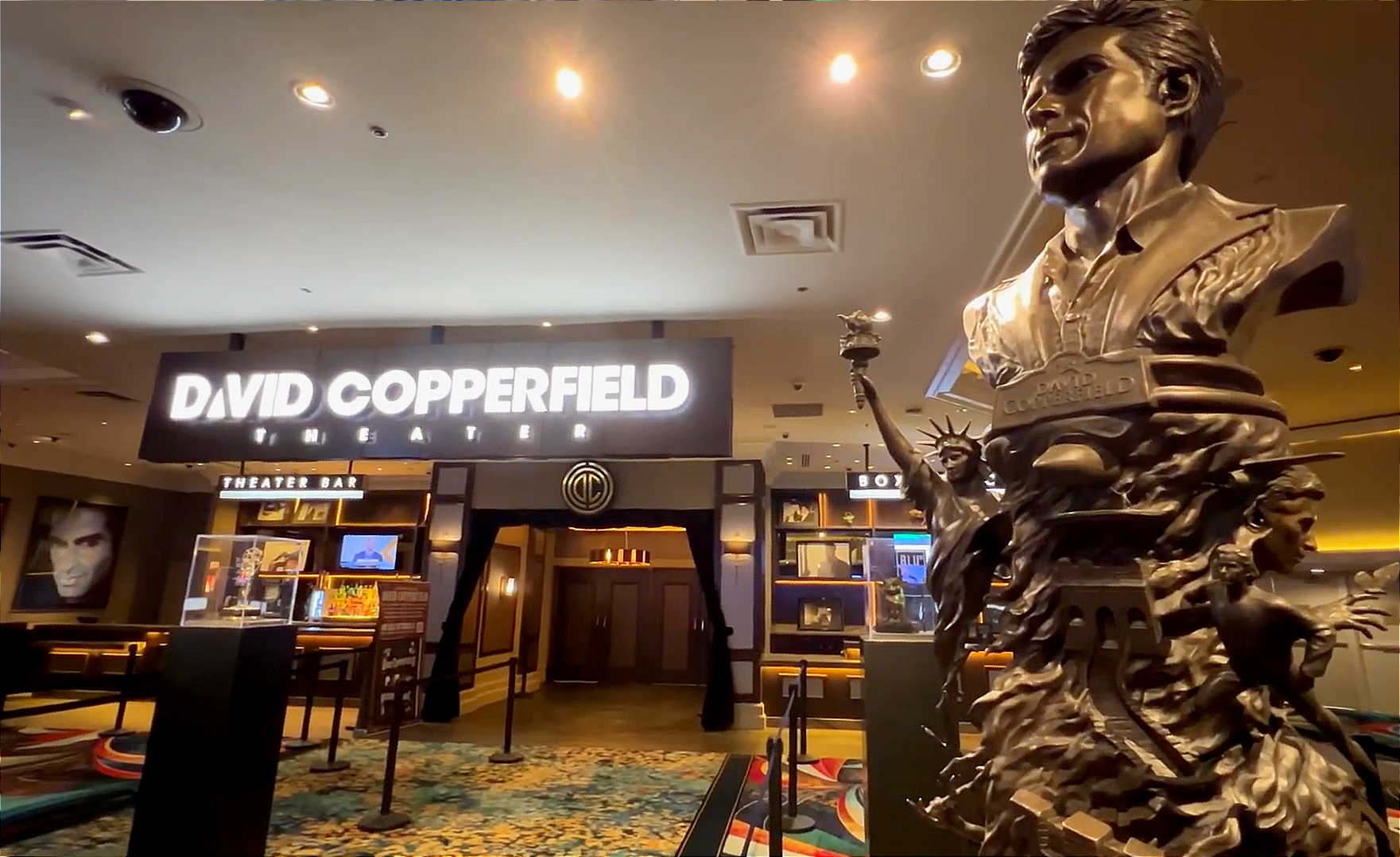
On April 30, 2026, David Copperfield took his final bow at the MGM Grand in Las Vegas, closing a residency that lasted more than 25 years. Longer than many entire entertainment careers, it was an extraordinary run. For audiences, it marked the end of a show. For magicians, it marked the close of a defining era.
As a professional magician, I’ve spent years studying the craft, performing, and thinking about how wonder is created and how human perception operates. Like many in my field—and millions of others—I grew up watching Copperfield’s television specials.
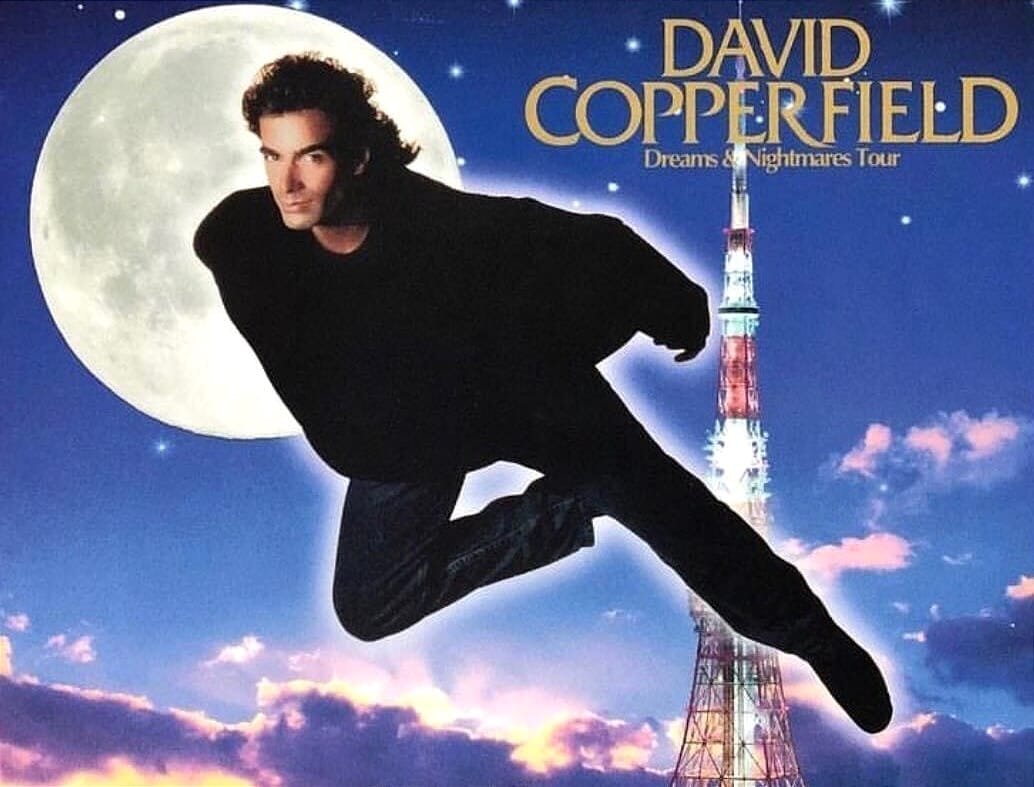
Most people still recognize Copperfield’s name, even if they can’t name a particular illusion. When he rose to prominence in the late 1970s and 1980s, stage magic was no longer central to popular entertainment. Copperfield changed that almost single-handedly, placing large-scale illusions alongside blockbuster films, arena concerts, and major sporting events.
Over more than four decades, he sold tens of millions of tickets worldwide—more than 7 million at the MGM Grand alone—and became one of the highest-grossing solo entertainers in history, with career ticket sales reportedly exceeding $4 billion (more than The Rolling Stones!). He earned 21 Emmy Awards for his television specials—as many as The Sopranos—and accumulated multiple Guinness World Records.
But what stands out is not just the numbers. It is the consistency with which he delivered complex, high-precision performances night after night, often multiple times per day. In the final eight weeks (56 days) of his MGM Grand residency alone, he performed an astonishing 120 shows. That level of scale and reliability reshaped what audiences expect from a magic show. The bar was raised, and it stayed there, elevating the entire field.
The television specials were cinematic events that reached tens of millions. Perhaps none captured the public imagination like the 1983 disappearance of the Statue of Liberty. In front of a live audience seated on Liberty Island, with an estimated 50 million viewers watching on television, Copperfield made a national icon appear to vanish. The illusion became an instant cultural phenomenon, prompting people around the world—many for the first time in their lives—to exercise skepticism and critical thinking, asking: “How did he do it?”
What made the illusion groundbreaking was not only the audacity of “vanishing” the Statue of Liberty. It was the way Copperfield blended spectacle, storytelling, and technical precision, elevating magic to the status of a major cultural event. This contrasted powerfully with earlier high-profile magicians such as Harry Houdini, whose 1918 vanishing of an elephant was a theatrical sensation in its day but remained confined to the stage.
Copperfield brought illusions to a television audience of millions while also delivering them live, night after night, with remarkable reliability. The specials invited skepticism—viewers naturally wondered about camera tricks—yet the live performances answered that doubt directly. In theaters and arenas, there were no cuts and no retakes: just a performer and an audience sharing the same space, often with volunteers participating. That made the experience more powerful than that of any performer who relies on camera tricks, and the resulting lessons in skepticism and questioning the limits of perception all the more impactful.
He made it clear that you were being fooled—and that knowledge did not diminish the experience. If anything, it enhanced it.
Copperfield’s cultural influence extends far beyond performance. He founded the International Museum and Library of the Conjuring Arts, a private museum available to researchers that houses one of the most extensive archives in magic, including rare books, original props, and artifacts from Harry Houdini and many others.
In 2021, he brought parts of that collection to a wider audience with David Copperfield’s History of Magic, co-authored with Richard Wiseman and David Britland. The book (reviewed in Skeptic Vol. 27 No. 2 featuring exclusive, unpublished photographs) profiles 28 groundbreaking magicians across centuries, from 16th-century conjurers to modern innovators. Readers receive a guided tour through artifacts such as Houdini’s straitjackets and Water Torture Cell, along with a 16th-century manual on sleight of hand. The book beautifully connects grounded explanations of the craft’s evolution to what audiences experience in actual performances.

This work helps keep magic connected to its past and rooted in reality. Without that connection, magic can become a series of disconnected tricks and empty stage patter rather than a technically intricate art form with deep roots, ongoing innovation, and a unique ability to test the boundaries of human perception.
That is exactly where Copperfield excelled. He helped define what audiences expect from large-scale illusion: strong production values, clear narrative, emotional engagement, and technical reliability. He never presented himself as supernatural. Compared with many other figures who rose to prominence around the same time, such as Uri Geller, Copperfield made it clear that you were being fooled—and that knowledge did not diminish the experience. If anything, it enhanced it. You knew it was an illusion, yet for a moment you still wondered, “What if?”
The close of the MGM Grand residency marks the end of a long chapter in an illustrious career. Copperfield proved that magic could be romantic, theatrical, and emotionally resonant without relying on supernatural claims or pseudoscientific nonsense. In doing so, he became one of the most emulated illusionists in history and helped elevate the cultural standing of the entire art form.