Mysteries, Meteors, and Foo Fighters

Might luminous meteoric dust be a possible explanation for some of the mysterious orbs spotted by pilots in World War II known as foo fighters?
As a member of the government-appointed UAP Science Advisory Council headed by the Harvard astronomer Avi Loeb, itself on the heels of my being a member for five years of Dr. Loeb’s Galileo Project searching for hard evidence of what these objects could be, I was intrigued by a preprint paper posted by Dr. Loeb on his Medium column, with a link to the paper by the highly respected atmospheric chemist John Birks, of the University of Colorado, Boulder, titled: “UAP Orbs: Magnetically Confined Dusty Plasmoids Produced by Meteors.” The abstract briefly explains the proposed hypothesis:
Analysis of 508 orb sightings reported to the National UFO Reporting Center (NUFORC) indicates that these silent, floating luminous objects often exhibit plasma-like behavior and emit visible light of varying colors for durations of up to an hour or more. In this work, citizen-science reports of orb observations are shown to be significantly correlated (~3σ) with reports of meteor fireballs, suggesting a meteoritic origin. We propose that some orbs may represent a previously unrecognized type of weakly ionized dusty plasma formed by stabilization of meteoric dust in the lower atmosphere.
The keywords here are suggesting, propose, and may. No one—not Birks, not Loeb, not me—are suggesting that all UAP orbs are explained by luminous meteoric dust. It’s possible Birks’ model explains none of them. The point of science is to find natural explanations for assumed natural phenomena. Before we say something is out of this world, let’s first make sure that it is not in this world.
UAPs as Illuminous Meteor Dust
With these caveats in mind, here are a number of excerpts from Dr. Birks’s paper. After reading these, continue to the reports by World War II pilots of foo fighters below and note the similarities (and differences) between them, in the context of considering this as a possible explanation for at least some of the foo fighter orbs:
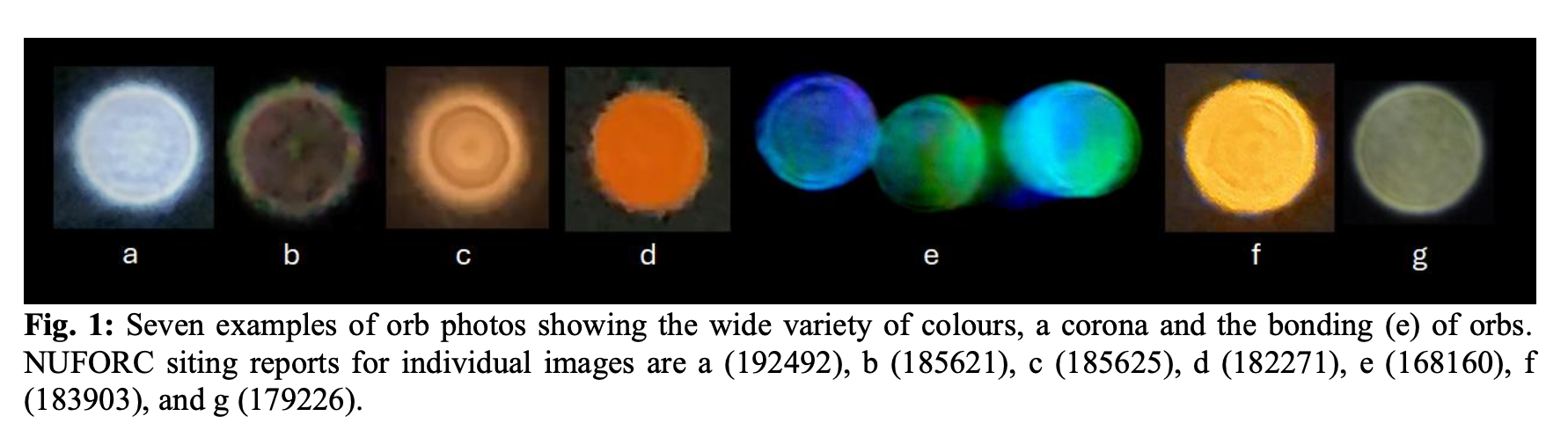
The most often reported orb is a bright white or bluish white sphere, observed to be as bright or brighter than Venus and larger by a factor of several diameters. Many are a yellowish white, while others are orange or even bright red. A few are blue or green. Many observers report that orbs flicker or sparkle in one or more colours, including all colours of the rainbow, and many report that the orb is surrounded by a corona.
Estimated sizes range from that of a basketball to that of a house or even larger, but often there is no estimate of size because of a lack of a reference point against the dark sky. The median reported size is approximately in the range of 1-3 m. Orbs occur singly, but about as often with one or more additional orbs of varying sizes, brightnesses and sometimes colours. Observers often report that orbs continuously change shape but on average are spherical.
these silent, floating luminous objects often exhibit plasma-like behavior and emit visible light of varying colors for durations of up to an hour or more.
reports of orb observations are shown to be significantly correlated (~3σ) with reports of meteor fireballs, suggesting a meteoritic origin.
We propose that some orbs may represent a previously unrecognized type of weakly ionized dusty plasma formed by stabilization of meteoric dust in the lower atmosphere.
luminous orbs represent a rare but physically real atmospheric phenomenon
the strong correlation between orb observations and meteor activity reported here provides a solid physical starting point. Although novel in several respects, the proposed framework is based on established physical principles, and its components are testable through laboratory experiments, targeted atmospheric measurements, and more detailed theoretical modelling. It may even be possible to generate orbs in the laboratory from magnetic nanoparticles of iron.
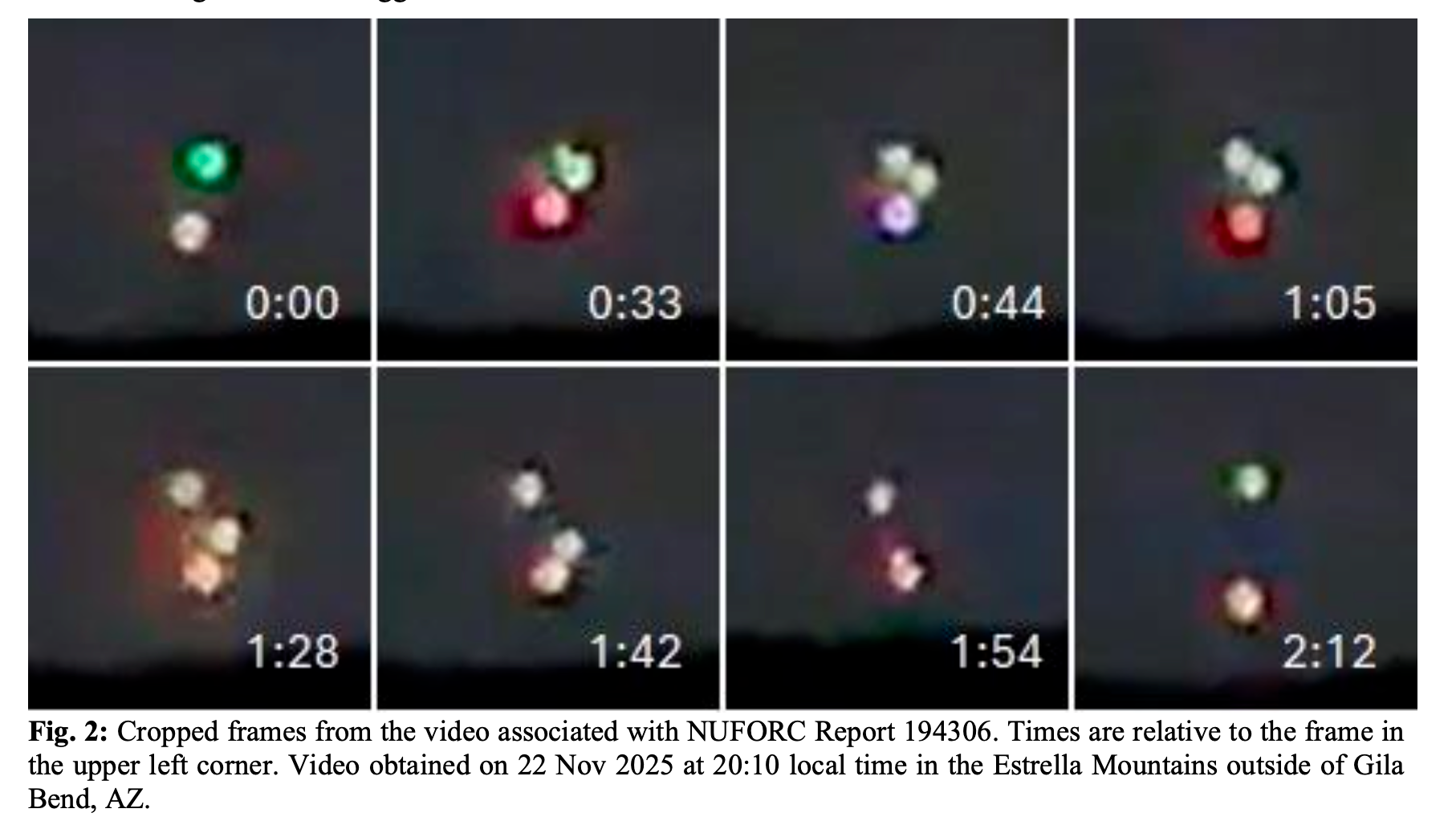
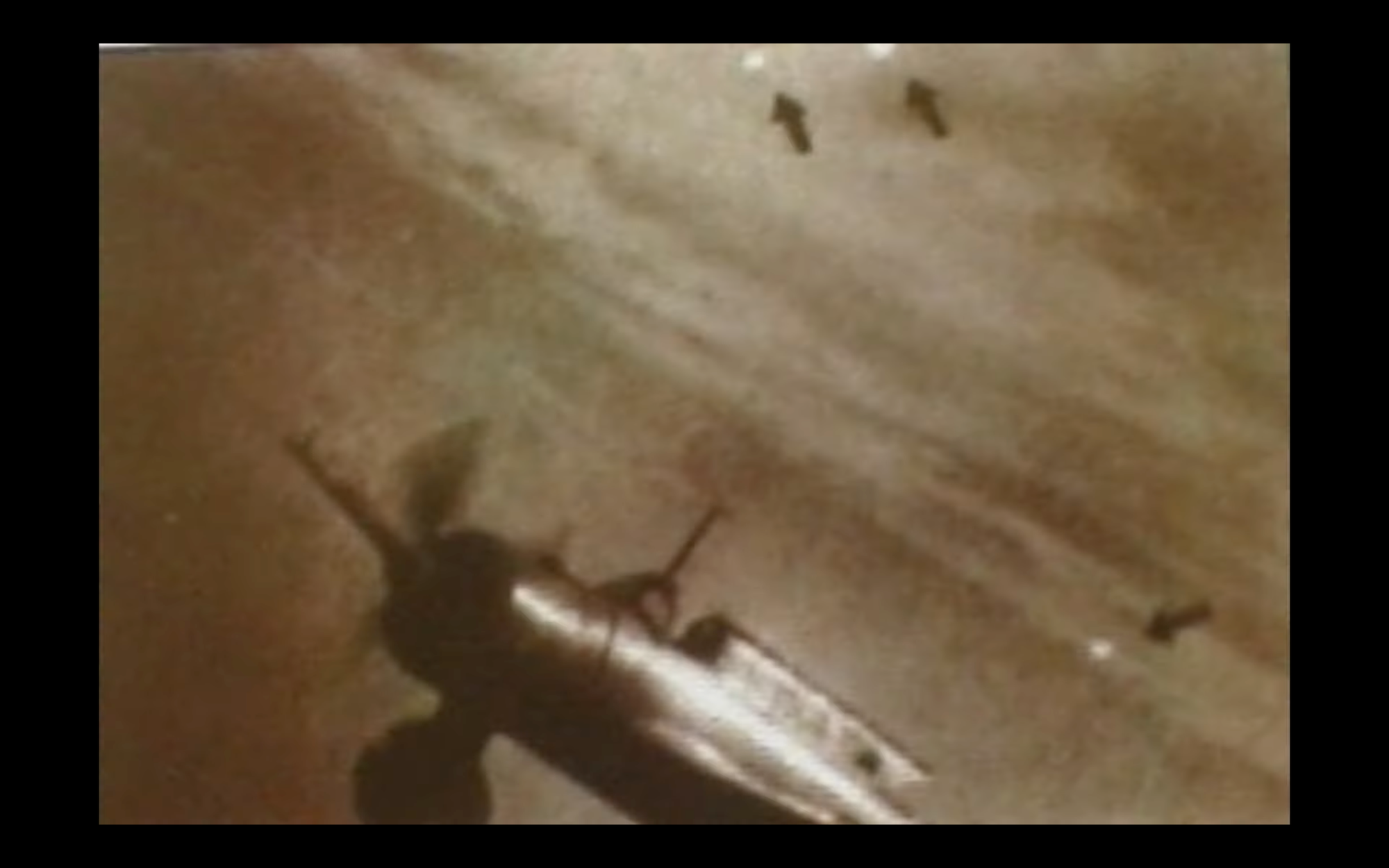
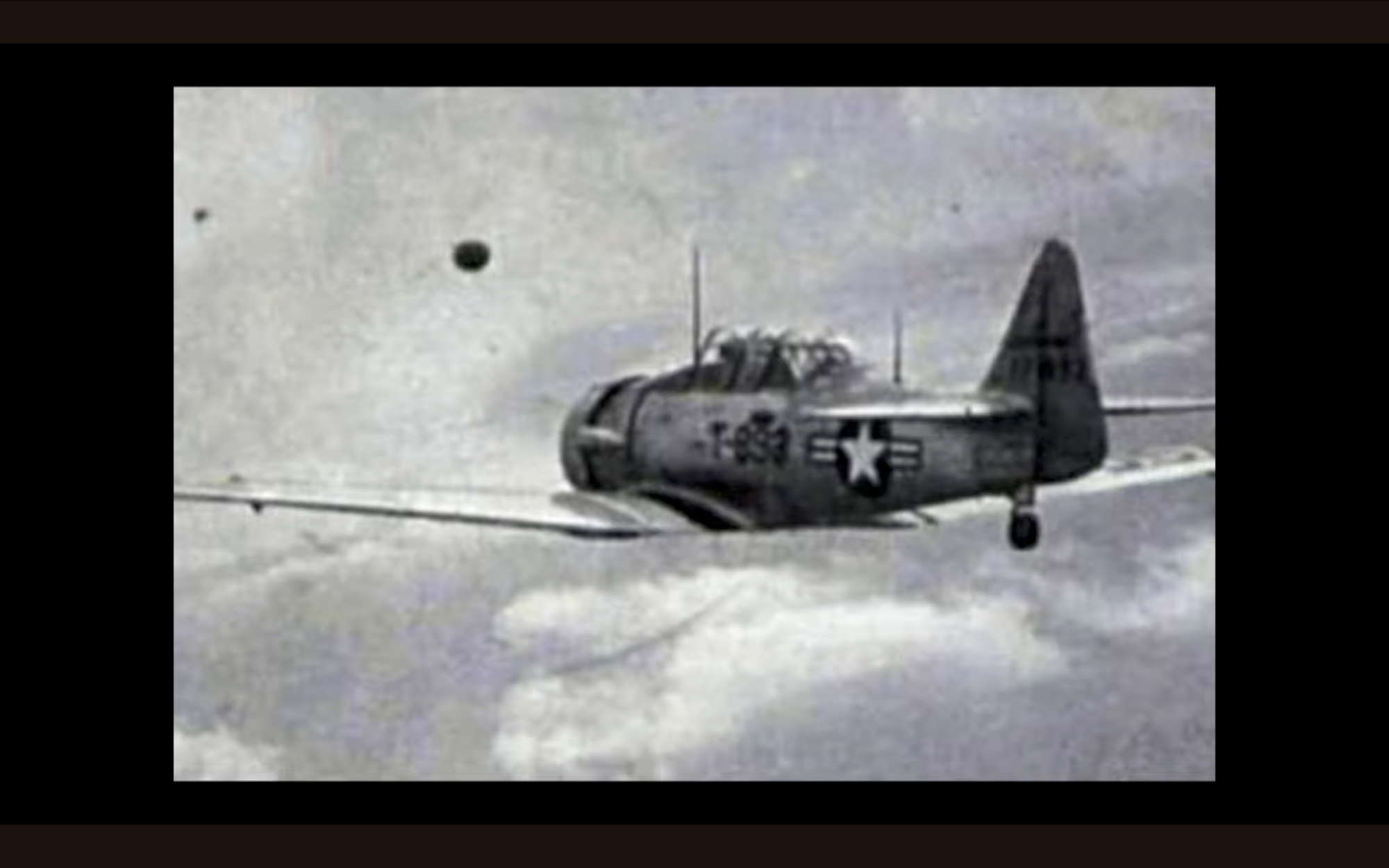
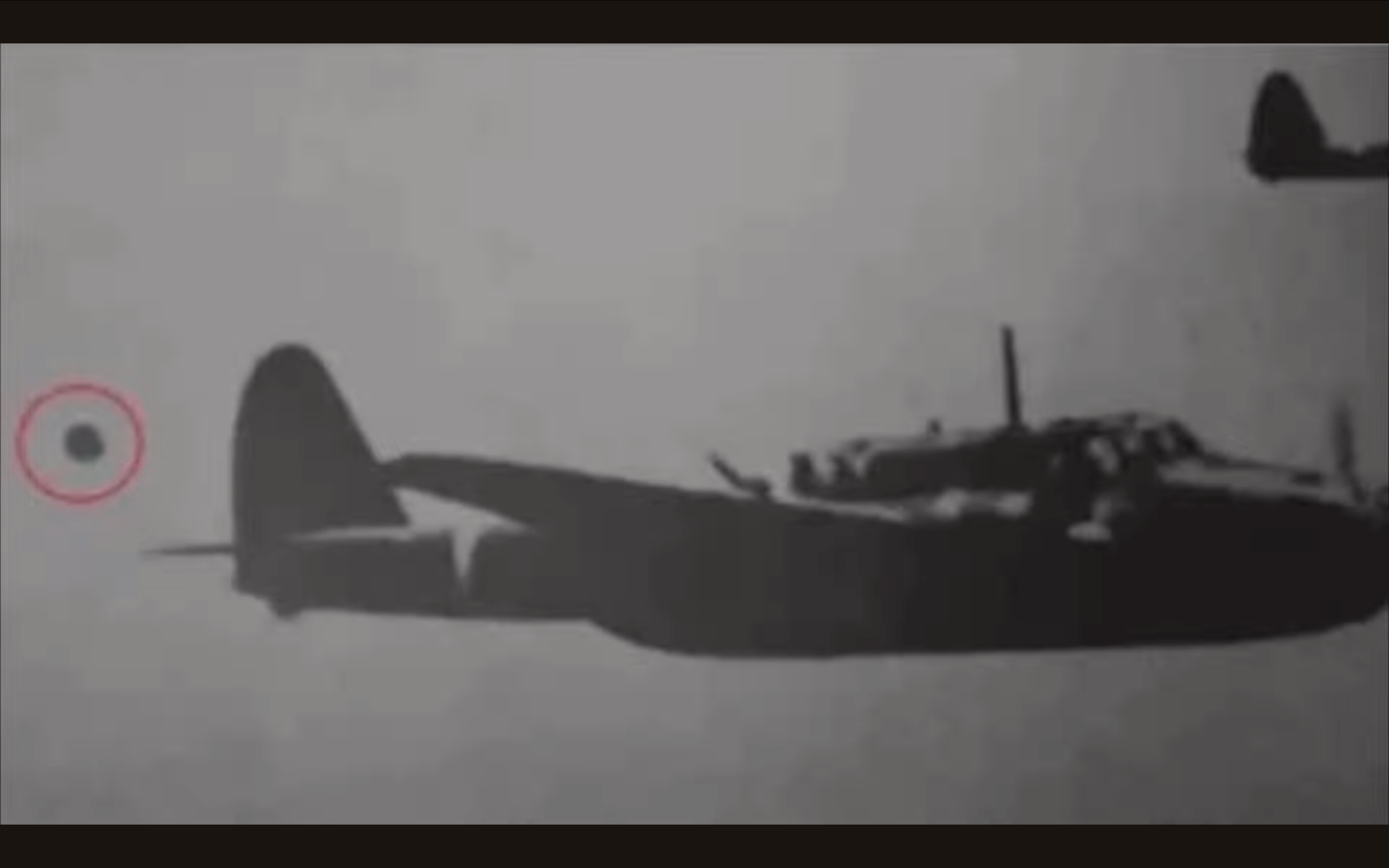
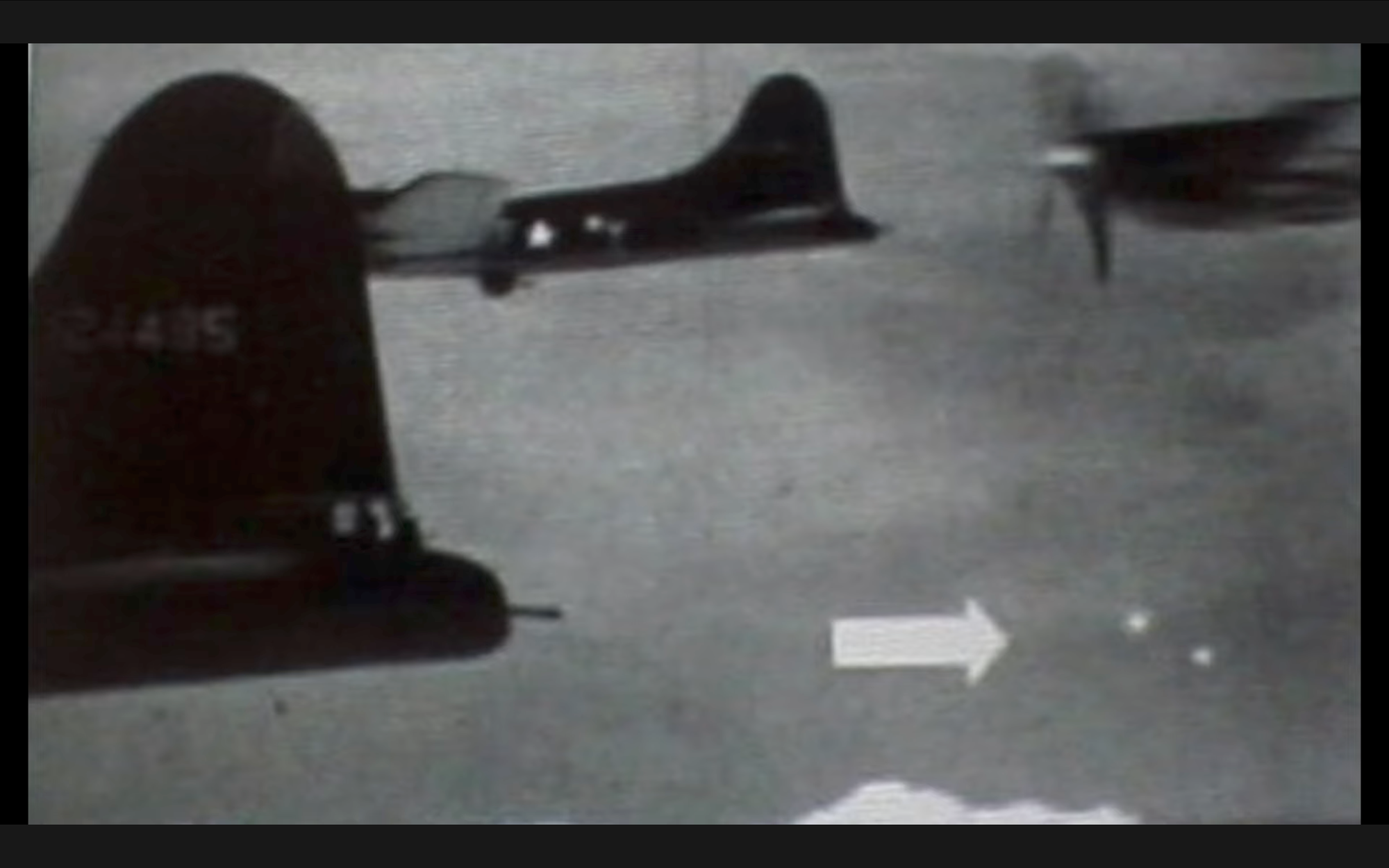
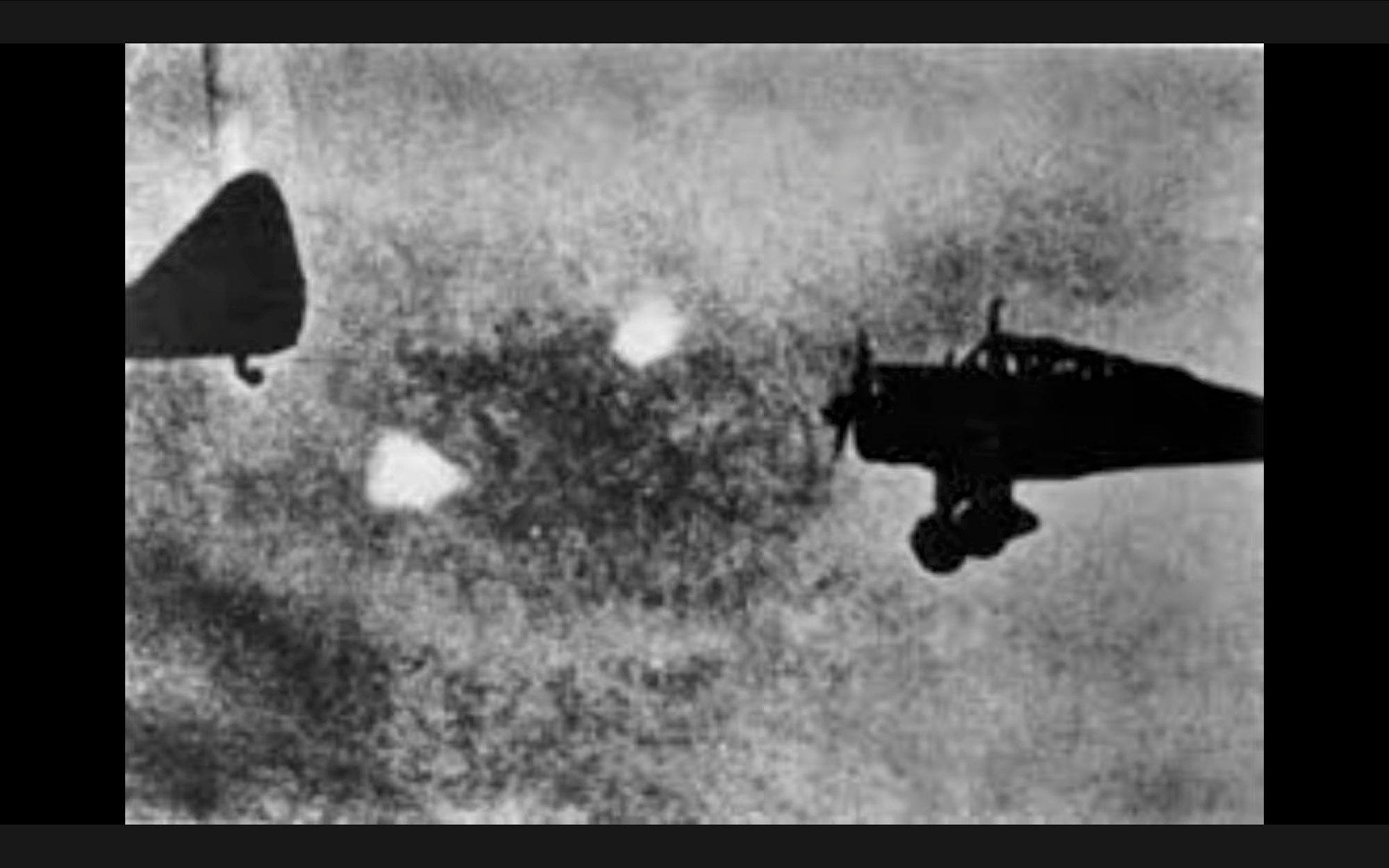
Here are the figures from Birks’ paper showing what these orbs look like. Compare these to the photographs of foo fighters from World War II below.
Critique of the Meteor Model
In response to this model, Avi Loeb invited John Birks to a video conference call with the UAP Science Advisory Council on July 7, where council members had the opportunity to ask him questions and challenge his hypothesis. Here is Avi’s summary of the council’s response to Dr. Birks’s model:
The questions raised at the meeting shed doubt on his model being able to explain UAP, especially those which are accelerating well beyond the level expected for dust clouds drifting in the wind. In particular, it is unclear how dust clouds could condense out of the debris from meteors or space trash, since the debris tail gets diluted and smeared by the Earth’s atmosphere across a much larger scale than the observed orb sizes.
The social media response to this paper, along with Avi’s and my own posting of it online, was uniformly negative among proponents of UAP, denouncing our attempt to find a natural explanation for the unexplained phenomena (assuming any of them even read the paper). Avi explained that, “This is exactly how science works. One has to take seriously a model and examine whether it stands up to the constraints of the data, assuming standard physics.” Indeed, the next day the George Mason University economist, futurist, and author Robin Hansen asked an AI program to assess Dr. Birks’s paper, concluding in a long and technical reply:
Birks never requires the dust to accompany the meteor down — he just asserts that what is left of an ablated meteor that terminates in the lower troposphere is a trail or cloud of dust and then spends all his effort on keeping an already-formed compact cloud together (magnetic dendrites, few-kT dipole bonds). The step from "trail" to "1-m ball" is simply skipped, and that step looks dynamically prohibited, not merely rare.
And within a day Dr. Birks replied to Hansen/AI:
After reading the Claude response you sent earlier, I concur that it would still be a big problem to accumulate enough mass in a long column. I concede that I hadn't given enough thought to the initial formation of the dust cloud. Keep in mind that it is not necessary to form the orb at ground level, although my original idea was that they were formed along a meteor dust trail extending into the troposphere. They are perhaps more likely formed high in the atmosphere, even in the stratosphere where explosive ablation can occur and deposit a large fraction of its mass along a very short path. That could result in a much higher local concentration and in a region where diffusion of particles is much faster. Once formed into a loosely connected mass, it will sink to the lower atmosphere until it reaches a level where its heat generation makes it buoyant.
What a paradigmatic and praiseworthy example of science at its best: adversarial collaboration, open-peer debate, and Karl Popper’s “conjecture and refutation” process to get closer to the truth.
Foo Fighters
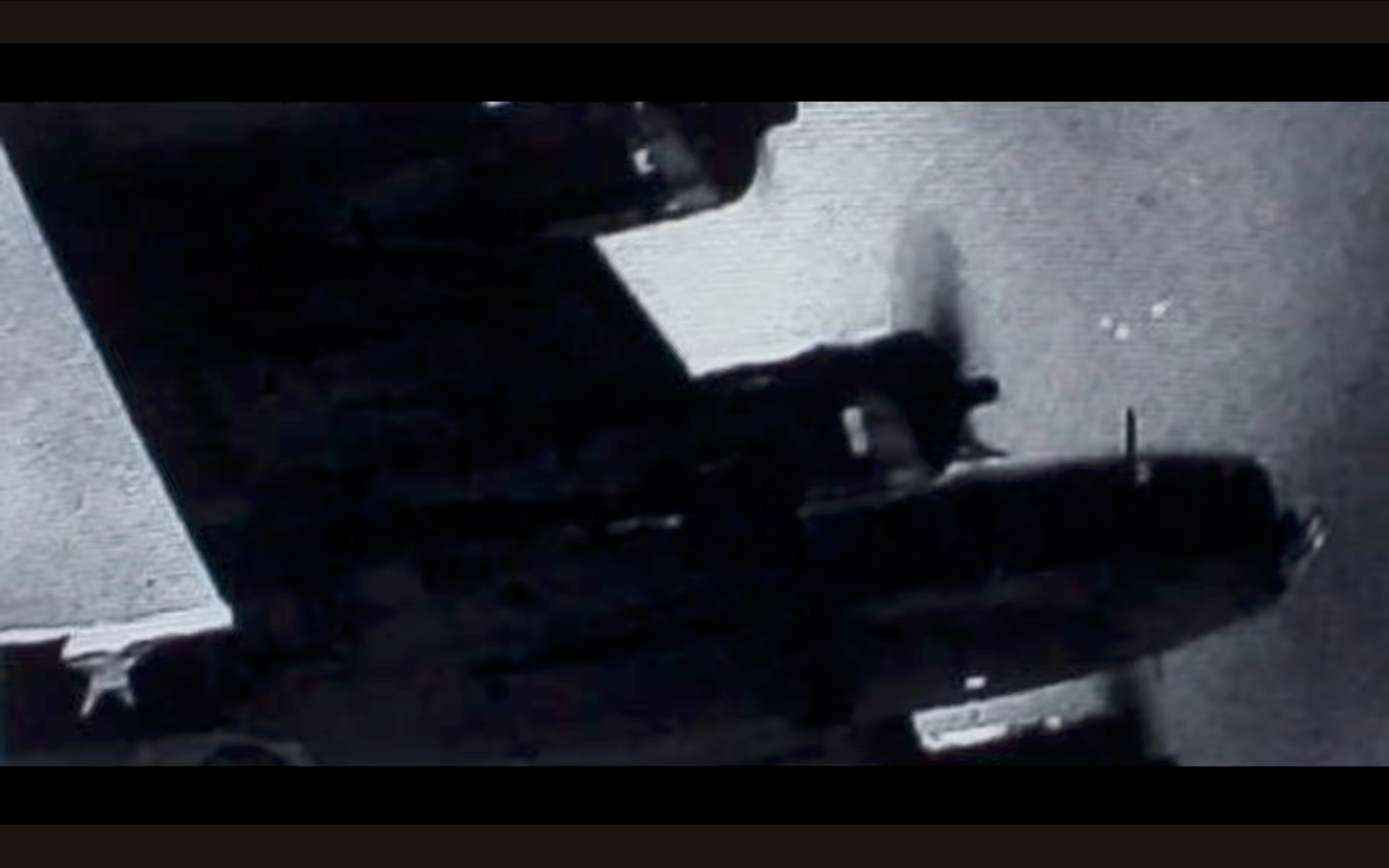
Let’s see how Dr. Birks’s model holds up in the context of one of the earliest reports of UFOs in the modern age—those logged by both allied and Nazi pilots reporting luminous orbs in the atmosphere near their planes over Europe, along with American pilots who recorded similar reports in the Pacific, all of which came to be called foo fighters. (The name derives from a popular comic strip called Smokey Stover, which featured a firefighter who referred to fire as foo, and to himself as a foo fighter.)
In the European Theater, an August 1940 report from the British Royal Air Force recorded a number of observations made by pilots and crewmen, who initially thought perhaps the Nazis were experimenting with new technologies, which they were wont to do.
In September of 1942, the Operational Research Section of the British Air Ministry produced a report noting that balls of fire appeared to drip fragments of multiple colors that lasted around 30 seconds before burning out, and another observation of colored balls of light at an altitude of around 6,000 or 7,000 feet, suggesting that perhaps the Nazis were firing mortars into the air, or on rockets, although they noted that none of the phenomena had impacted or damaged any planes.
On November 28, 1942, an RAF bomber crew saw what seemed to be a solid object with four evenly-spaced pairs of red lights attached, which the crew estimated it to be around 200 to 300 feet long and traveling around 500 miles per hour.
Another report from May of 1943 quoted crewmen who said they saw a reddish-orange meteor outside of Duisburg, Germany, which they reported as flying from north to south and falling as it moved. Strangely, the object appeared to emit a green burst at least three times.
An RAF report from January 1, 1944, noted that a British Mosquito pilot had seen two rockets between Halberstadt and Hanover that appeared to change course and overtake his plane, but then just as suddenly disappearing. Another pilot said he saw a fiery head and blazing stern when the object passed within a couple of hundred meters from his plane.
Reports from January 28 and 29, and on February 3, 1944, reported pilots seeing an elusive red light that left a trail of flames and black smoke. On February 4, during a raid over Frankfurt, crewmen said they saw a stationary silver ball about 10 miles away that seemed to hover. On February 19, two different crews reported seeing a silver cigar-shaped object like an airship in the distance, one of whom added that the airship appeared to have a line of windows along the bottom.
The most famous foo fighter report is that from a flight in November, 1944, when pilots Donald Myers and Ed Schlueter of the 415th Night Fighter Squadron, flying along the Rhine north of Strasbourg, reported seeing “8 to 10 bright orange lights off the left wing…flying through the air at high speed. Later they appeared farther away. The display continued for several minutes and then disappeared.” The phenomena got its name when a rattled Myers brought to the pilots’ post-mission meeting a copy of the Smokey Stover comic strip and after slamming it down on the table announced “It was another one of those fuckin' foo fighters!” A few nights later, another crew saw a huge red light flying over their plane at what they estimated to be 200 mph, and among the pilots of the 415th squadron, “Fuckin' foo fighters” became the term of choice with the press, who dutifully redacted the expletive.
In the Pacific Theater, a report from May 14, 1944 notes that a B-29 crew was followed by a red or flame-colored ball of fire that appeared immediately after they released the plane’s bombs. A report from August 1944 noted several sightings over Sumatra, including a crew that said they saw reddish-orange balls of light and groups of light appear out of nowhere on their right side, after which it exploded into four or five fragments each.
On January 10th, 1945, an American crew off the coast of Iwo Jima saw an amber light overtake them on their right before it disappeared into the clouds ahead. In March, 1945, a crew reported seeing a few lights that appeared to be anchored to an object that then followed them as they made evasive turns before pulling away. On June 18th, 1945, a flight crew said they were tailed for over 40 minutes by a light that alternated between a bright red and dusky orange.
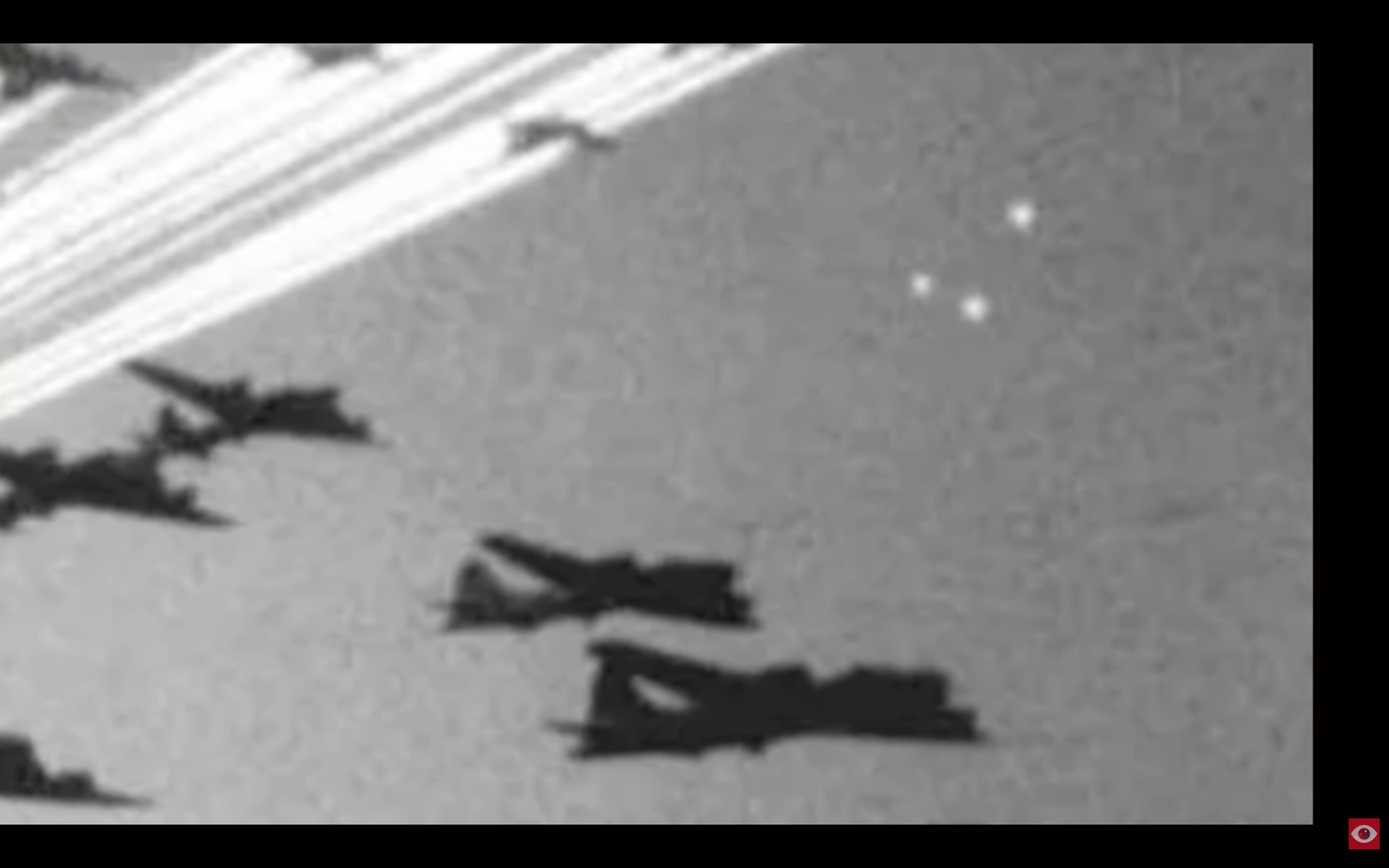
Suggested Causes for Foo Fighters
Ball Lightning. These rare, glowing, floating spheres of light often associated with electrical storms are among the most popular explanations of foo fighters, but only some resemble these pilot descriptions.
St. Elmo’s Fire. Some commentators have suggested this as an explanation, but these glowing electrical discharges are rare, short-lived, and usually anchored to a ship’s mast, mountain top, plane’s wing, etc., not floating about on its own like most foo fighters.
Reflections, Optical illusions, and Hallucinations. These may explain some foo fighters, as pilots have long noted that sunlight or glare reflecting off ice crystals in the atmosphere can produce an image that looks like an orb; as well, pilots reported seeing afterimages from bright flak explosions that were not orbs in the air; finally, high-altitude night flying, along with combat stress, can play havoc with one’s visual system. Hallucinations also seem unlikely, given the number of incidents, the number of different pilots and observers, and the sheer volume of reports available to U.S. intelligence services by the end of the war.
Electromagnetic Phenomena. These are broader plasma-like effects related to atmospheric electricity that could create glowing orbs without a solid object (which may explain why they don’t appear on radar). This is what the postwar Robertson Panel (a 1953 CIA-linked scientific review of UFO reports), suggested as an explanation for the foo fighters.
Soviet spy planes. A less popular explanation involves Russian technology, although in a counterfactual, if the USSR had such orb weaponry wouldn’t they have used it more directly on the battlefield, rather than playfully buzzing allied pilots?
Nazi secret weapon “Feuerball” (Fireball). After their stunning success with jets and rockets (albeit too late to turn the tide of the war), speculation about else the Nazis had developed include flying saucers, jet-propelled flak mines, and drones with glowing effects from spinning gas jets. But post-war analysis did not turn up any evidence that the Nazis had such secret weapons.
V-2 Rockets misidentified. This is a viable explanation, but pilots and ground observers correctly identified them in most circumstances, so it seems that, at most, this would explain only a few foo fighters.
Misdirection and disinformation. Governments are believed to discredit UFO witnesses and stigmatize UFO research, but that idea is mostly applied to the 1950s and 1960s, not the 1940s.
Extraterrestrial or Unknown Origins. Ufologists suggest that aliens (or whoever) were monitoring the war via these orbs. We know Nazis existed, and we know about their technology and have back engineered it (turning the V-2 rocket into the Apollo mission!) But unless and until we can see the aliens and their spaceships for ourselves, skepticism is the null hypothesis to which we should default.
♦ ♦ ♦
Could some foo fighters be luminous meteoric dust? Maybe. Much more needs to be done to test this hypothesis. But this is how progress is made in explaining UAPs.
I say this because social media critics who are quick to dismiss this and other attempted natural explanations, when asked what they think explains UAPs, promptly jump to far less likely explanations for which there is no evidence whatsoever, including extraterrestrial beings, alien-human hybrids, interdimensional beings, ultraterrestrial beings, cryptoterrestrials, or even far-future human time-travelers who have returned to our time.
Most of these hypotheses violate known science, or would require significantly new physics and biology that contradicts much of what we know about the universe and the laws of nature. And as Avi regularly reminds the members of the UAP Science Advisory Council and the Galileo Project, CERN just spent $10 billion in particle-colliding experiments and found no new physics. So let’s stick with what we know about the world, before we speculate about what we don’t know.
I know, science has been wrong about a lot of things, but as I wrote in the final chapter of my book Truth:
Think of science as an expanding sphere of knowledge. As the sphere of the known expands into the aether of the unknown, the proportion of ignorance seems to grow—the more you know, the more you know how much you don’t know. But in this mathematical metaphor note what happens when the radius of a sphere increases: the expansion of the surface area is squared while the increase in the volume is cubed. So as the sphere of scientific knowledge expands the volume of the known increases by a ratio of 3:2 over the surface area of the unknown—the more you know the more of the unknown becomes known. It is at this boundary where we can stake a claim of true progress in the search for truth.