Why Homelessness Is a Brain Problem, and Why We Keep Solving It Too Late
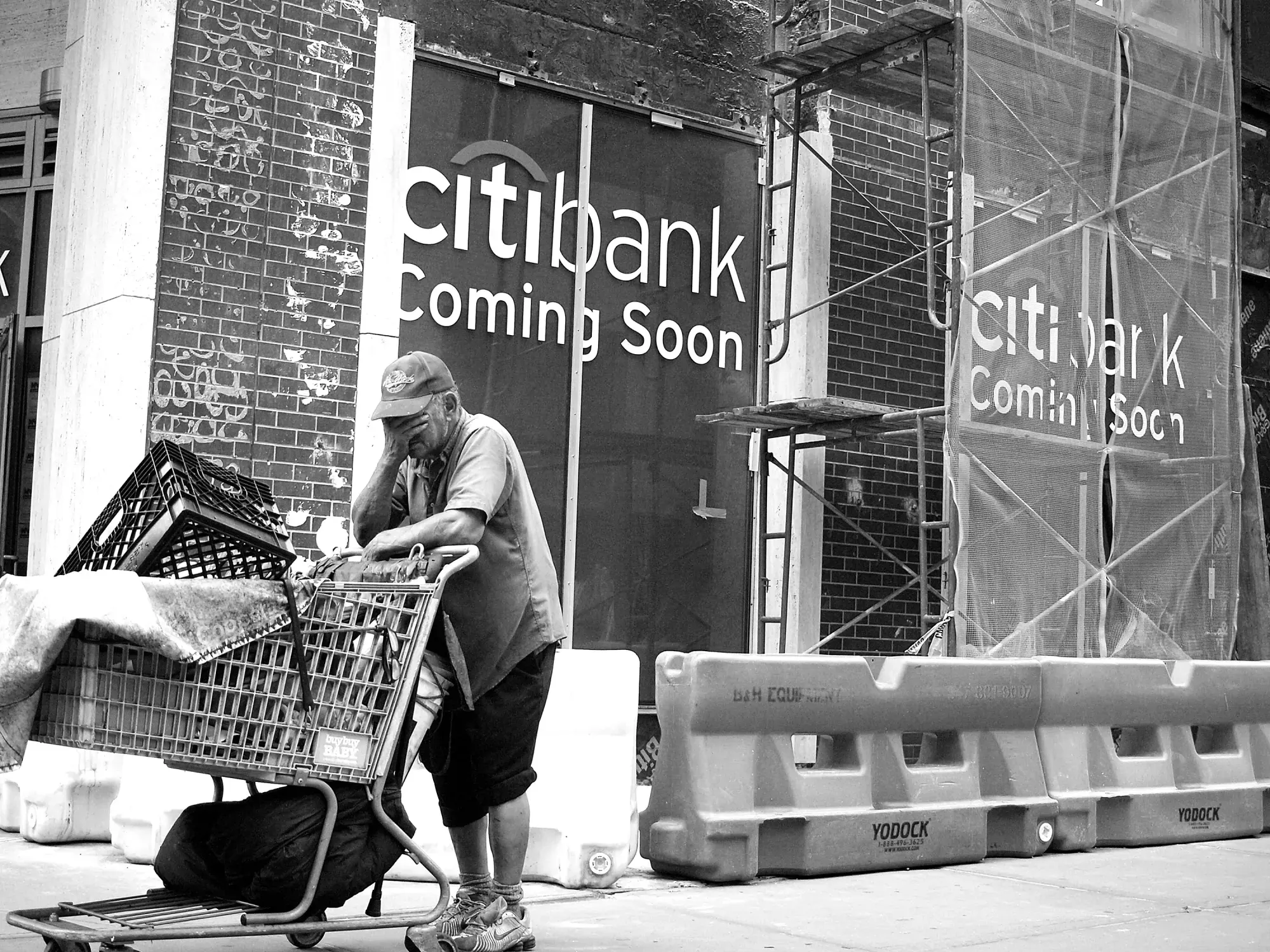
He is called Rags.
On the morning of May 5, 1980, a sixty-year-old man named Elias Joseph Barauskas collapsed at the Simple Simon restaurant in downtown Dayton, Ohio. He was revived briefly at Miami Valley Hospital, declared dead, came back, and was declared dead again at 6:55 that evening. No one seemed to know his name. They called him Rags.1
Over two hundred people filed into Sacred Heart Church for his funeral. Three priests officiated. CBS sent a crew; the segment aired on Sunday Morning. A local artist had painted his portrait, and a downtown bank hung it on the wall. He was buried at the Dayton VA National Cemetery—Section 19, Site 2257—because it turned out, among the many things Dayton had not known about him, Elias was a World War II Army veteran.2, 3
Only after he died did Dayton learn the rest. Two brothers were reached by phone in Connecticut and Florida by a genealogist working with the county coroner. Elias had grown up Lithuanian-American in Waterbury. He had spent four years at Sacred Heart Seminary in Tampa, training to become a Catholic missionary. On a train, sometime in the 1950s, he fell hard for a woman he met there. As his plan had been to take his missionary vows, the pressure of whether to pursue personal or brotherly love precipitated a crisis that proved unbearable, a brother told the Dayton Daily News. Elias succumbed to a nervous breakdown. His Army experience may have predisposed him to such a crisis. His family placed him in a psychiatric hospital in Connecticut, then another in Kentucky, from which his mother inexplicably withdrew him before he might have recovered. He drifted. In 1965, his family knew he was in Newark. After that, he ended up sleeping rough in Cincinnati until the Cincinnati police tired of him and drove him thirty miles north to Dayton, where they dropped him off.
There, he lived on Dayton’s streets for something close to fifteen years. He asked for nothing and bothered no one. The city that paid him no particular attention while he was alive turned out, when he died, to have been watching and wondering about him all along.
I have been thinking about Rags lately because I have been writing about homelessness, and he is the kind of person any framework must account for or admit it cannot. There are thousands of reasons for homelessness, or for “becoming unhoused” in the current parlance. He was not unhoused by a shifting housing market. He was made homeless by an impossible choice presented to a fragile and sincere mind, a likely ineffective psychiatric system that let him go too soon, a first-generation American family that may have been embarrassed and could not hold him, and a police force that solved its problem by shipping him off to another city. He was made homeless, in other words, by the country we were in, back in 1965, which is not the country we are in now.
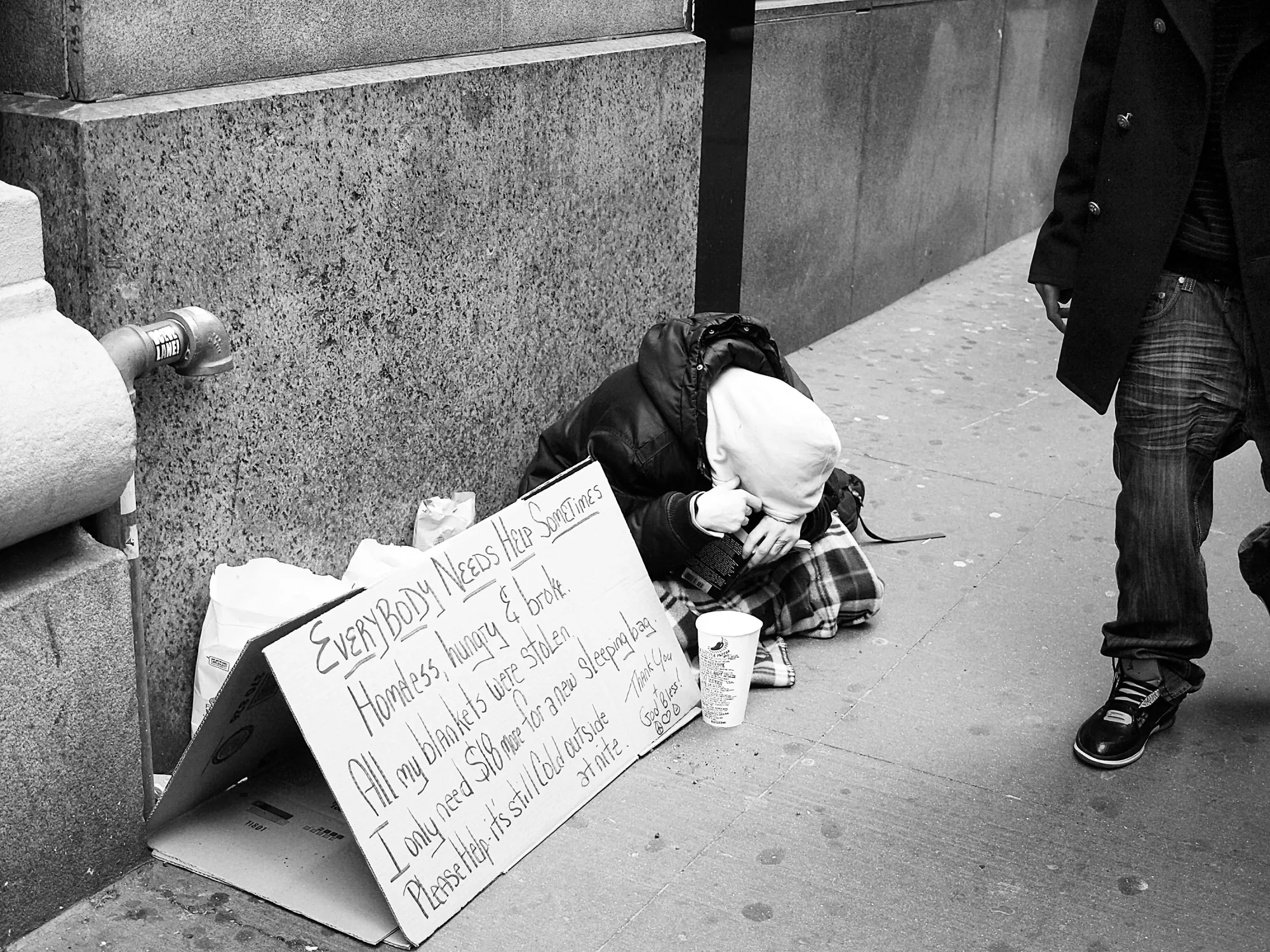
Your Brain on Homelessness
Though there are many causes for homelessness, there is an emerging predictable trajectory for what homelessness does to the brain. It is the brain that takes the hit from homelessness, and the damage is staged, rapid, and predictable.
The hypothalamus, sitting beneath the thalamus and weighing about four grams, is the master regulator of the body’s stress response. When threat signals are routed through the amygdala and other limbic structures, it releases corticotropin-releasing hormone, which sets in motion a cascade ending in cortisol released from the adrenal cortex, alongside epinephrine and norepinephrine from the adrenal medulla. Cortisol mobilizes glucose, sharpens attention, dilates the pupils, suppresses nonessential functions like digestion and reproduction, vasoconstriction increases blood pressure, and the body is set to an alarm state that readies quick reactions and decisions. For short periods, this system keeps you alive as it evolved for our ancestors to escape the predators of the Serengeti. When stress persists over months to years, it is this system that destroys you.4, 5
In 1998, I attended a lecture by Peter Senge of the MIT Sloan School of Management and the innovator of the Learning Organization. He described a company with the toxic culture of fear, uncertainty, and constant anxiety. Directly as a result, they were regularly visited by ambulances carrying off the early- to mid-career employees experiencing heart attacks. For people with marginal hearts to begin with, and unaware of their weakness, vasoconstriction can kill.
In Silicon Valley where I lived at the time, there were many such examples. One might project that productivity and innovation were also abysmal. Today, more universities are under pressure to show positive cash flows, applied research, and job training students. The explicit message is: “either keep up or get out.”
Brain destruction is specific. The hippocampus is dense with cortisol receptors that normally put the brake on hypothalamic output. Under unremitting stress, the hippocampus shrinks. In fact, hippocampal size can serve as a proxy measure of the length and severity of the stress. A damaged hippocampus breaks the brake, so the prolonged stress response establishes a positive feedback loop in which increasing damage produces dysregulation that spins out of control, producing even more damage.
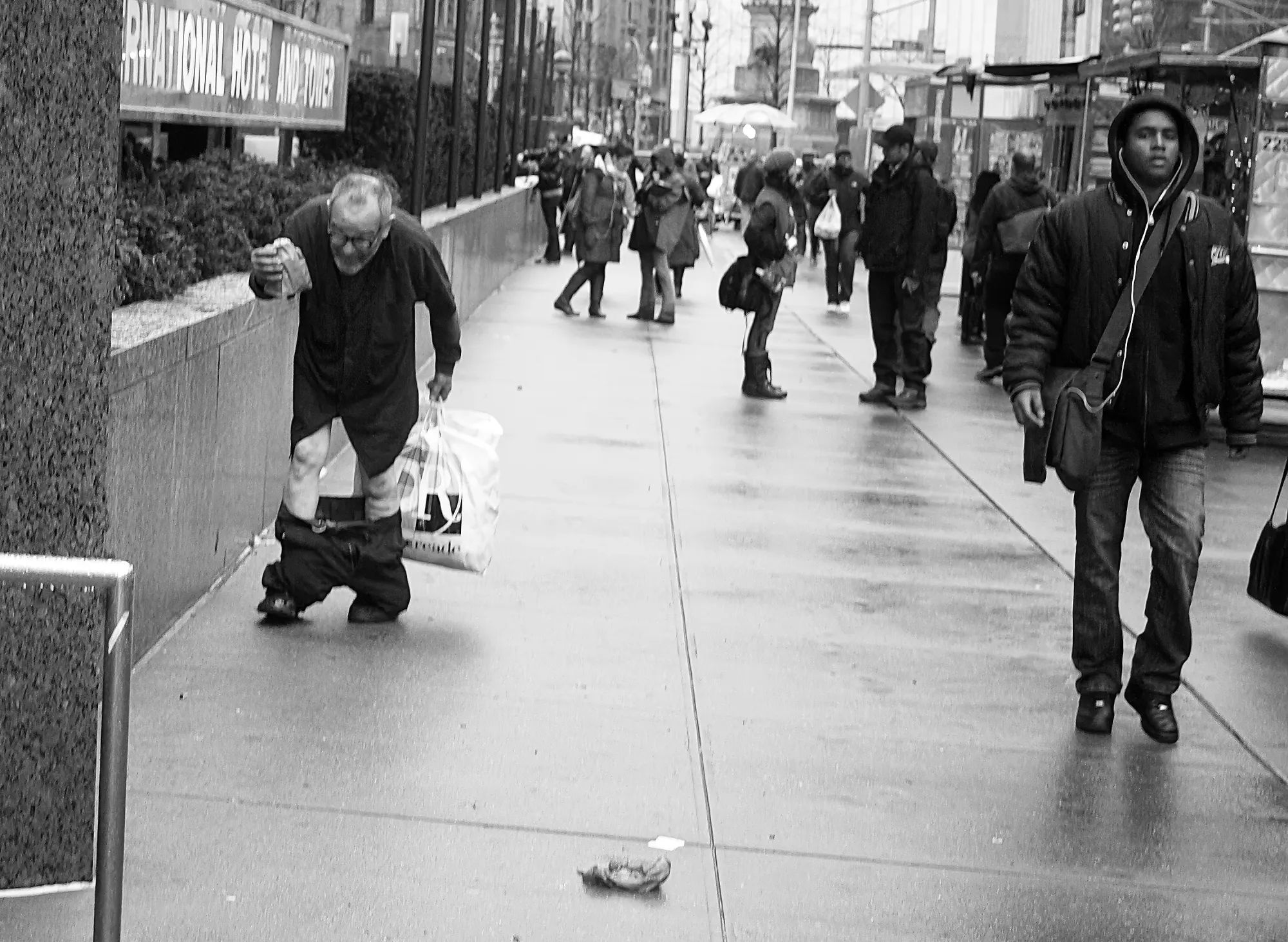
A damaged hippocampus also impairs what researchers call mental time travel: the hippocampus is centrally involved in projecting yourself forward into imagined future scenarios—the cognitive operation that lets a housed person plan for next month’s rent or next year’s job. Damage the hippocampus, and the future dims or recedes completely.6, 7
The prefrontal cortex regions responsible for planning, working memory, impulse control, and the valuation of future rewards are vulnerable because their pyramidal neurons carry a dense glucocorticoid load and depend on tightly tuned catecholamine signaling that stress disrupts. There, dendritic retraction—the shrinking of branching connections between neurons—is seen in animal models within weeks of chronic stress onset and in human imaging studies of populations under prolonged adversity. Early dendritic changes are largely reversible if the stressor is removed. Later changes, including frank neuronal loss, are not. The foresight machinery, in other words, withers under siege, and the longer the siege, the less of it returns.8, 9
The brain structure responsible for choosing among optional futures is damaged; the structure responsible for committing the damage to autopilot is strengthened.
Meanwhile, the basal ganglia are taking the survival routines a homeless person executes daily—where to sleep, when to line up, where to find food—and converting them from deliberate, effortful, prefrontally-planned behaviors into automatic ones. This is the same circuit that lets a commuter drive home without consciously choosing each turn, and it is a positive feature of a self-directed dynamic system, not a bug, of how the brain economizes attention. After roughly sixty to ninety days of consistent repetition, the routines are crystalizing. After six months, they are deeply automatic. After a year, they are nearly impossible to override even when circumstances improve.10, 11
Therein lies the double trap. The brain structure responsible for choosing among optional futures is damaged; the structure responsible for committing the damage to autopilot is strengthened. A person homeless for, say, six months, thus has a less competent foresight system and is more entrenched in a dysfunctional lifestyle culture than the same person is at six weeks. Provide housing at six weeks, and you are working with a brain that can still imagine the future and override its survival routines; provide it at six months, and you are working with a brain that is structurally less able to do either.
This is the neurobiology of declining foresight and imagination. It is not a metaphor. It is dendrites retracting in measurable numbers, hippocampal volume declining in measurable percentages, and basal ganglia circuits encoding behaviors in measurable strength. The clock is running on tissue.
Measuring Damaged Foresight
Behavioral economists have a term for the rate at which a person devalues future rewards relative to immediate ones: the temporal discount rate. Offered $100 today or $120 next week, most people wait. Offered the same choice with a one-month delay, fewer will. The steepness of the curve—how rapidly the future loses value as it recedes from our ability to imagine—is what economists measure, and it varies enormously across populations.12
People experiencing homelessness have, on average, some of the steepest discount curves ever recorded. The future, for them, is worth very little; it is discounted precipitously. This has nothing to do with ethics or personal character. It is a measurement. It is what the data show, replicated across studies using monetary choice tasks, delay discounting paradigms, and behavioral measures of impulsivity. A homeless person offered a small reward today versus a larger reward next week will, far more often than a housed control, take the small reward today.13, 14, 15
This is not an irrational choice for homeless people, because who knows what the future holds for them? For most of us, to quote a popular idiom, a penny saved is a penny earned, but sometimes a bird in the hand is worth two in the bush.
The conventional reading of this finding is that steep discounting causes homelessness—that impulsive people who cannot defer gratification end up on the street through a series of present-biased decisions. There is some truth to this for some individuals. But it gets the causality mostly backward. Steep discounting under conditions of genuine uncertainty about tomorrow is not impulsivity. It is the exhibition of one of humankind’s greatest evolutionary gifts: rational adaptation. If you do not know whether you will be alive next week, whether you will be assaulted tonight, whether the small amount of money in your pocket will be stolen before morning, then taking the certain immediate reward is not a failure of self-control. It is the correct answer to the actual problem.
The trouble is that this rational adaptation, sustained over months, becomes neurologically encoded. The hippocampus and prefrontal cortex that compute the value of future rewards are the same structures being damaged by chronic stress. The basal ganglia circuits that automate present-focused survival routines are the same circuits being strengthened by daily repetition and reinforcement. The discount rate that began as a sensible response to a dangerous environment becomes, over time, a feature of the brain itself. By the time housing is offered, the future has been devalued not just contextually but structurally. The person can be housed and still be, in a measurable sense, unable to plan for next month—because the apparatus that makes next month feel real has atrophied.
This is what makes the recovery window decline the way it does. It is not simply that homelessness is hard to escape because life on the street is extremely demanding, though it is that. It is that the cognitive operation of escape—imagining different futures, evaluating which is Plan A, B, or C, and sustaining action across the multistep sequence required to reach any of them—depends on neural machinery that homelessness progressively dismantles. The longer the dismantling continues, the less of the machinery remains to do the imagining.
Motivational interviewing assumes a person who can hold a future self in mind long enough to be motivated by it.
This also explains, in a way the standard policy literature does not, why so many evidence-based interventions fail: they are applied too late. All the good intentions, such as cognitive-behavioral therapy, assume a functioning prefrontal cortex. Motivational interviewing assumes a person who can hold a future self in mind long enough to be motivated by it. Case management assumes a client who can attend the next appointment. These assumptions may hold for many people who have been homeless a few weeks. They hold less reliably for people who have been homeless six months. They do not hold at all for people who have been homeless several years. The interventions are not failing because they are bad interventions. They fail because they are being applied to a brain that has, by the point of intervention, lost the capacity to use them.
Fast and Slow
Humans are extraordinarily adaptable, and that is normally our edge. Imagination may be one of the things that most separates us from other animals. The brain is not a fixed-purpose organ. It is an elegant learning system that calibrates itself to whatever environment it finds itself in, and it does this so fluidly that we rarely notice it is happening. The species’ entire claim to fame is that we make the best of any new situation.
In homelessness, this adaptability works against us.
Evolutionary psychologists working in life history theory describe a dimension along which populations and individuals vary: the speed at which a person’s developmental program runs. Slow life history strategies—delayed reproduction, extended parental investment, long-term mate bonds, accumulation of education and resources—develop in environments where the future is predictable and rewards for waiting are reliable. Fast life history strategies—early reproduction, less parental investment, present orientation, immediate sociality—develop in environments where the future is uncertain, mortality is elevated, and waiting is punished. A.J. Figueredo, at the University of Arizona, has spent two decades documenting how these strategies cluster together as a single underlying factor responsive to environmental signals about predictability and risk.16, 17
The brain reads its inputs and calibrates accordingly. Homelessness is an environment whose signals are unambiguous. The future is uncertain. Mortality is elevated. Waiting is punished. The brain responds the way evolution shaped it to respond. It shifts toward a faster strategy: shorter time horizons, present consumption, immediate sociality. The slow life history strategy that the housed world rewards—delayed gratification, long-term planning, faith in tomorrow—is itself an adaptation, calibrated to a relatively recent and historically unusual condition: a world in which most children survive to adulthood, most paychecks arrive when promised, and most futures resemble the futures one plans for. The fast strategy isn’t a defect. It is what the brain reverts to when the world stops cooperating.
My brother Thomas once introduced me to John Graham, a force-of-nature man in my hometown of Greenville, Ohio—a town of twelve thousand in Darke County, about thirty miles northwest of Dayton. Graham, who grew up in the Pittsburgh mill town of McKeesport, founded the Good Samaritan Home in Greenville: a halfway house for men recently released from prison, anchored by a mentoring model he called Citizen Circle. He once told me about a man in his program who wanted a hundred-dollar coat with the Cincinnati Reds emblem. A friend in the house bought it for him, even though it meant the friend wouldn’t eat for a week. The coat was here. The next paycheck was in the future. The future, by the rules of survival, would not arrive with the same assurance as the present.
What the framework adds to the standard behavioral economics finding is the question of permanence. The brain that has spent six months reading signs of an elevated mortality, a future uncertain, may not easily return to mortality normal, future reliable, even when an apartment is provided. The signals it learned to weight are still in memory; new situations have yet to be weighted. The brain is just doing what it has always done: adapting to new situations. We do not know how long the readaptation takes, or whether it ever fully completes.
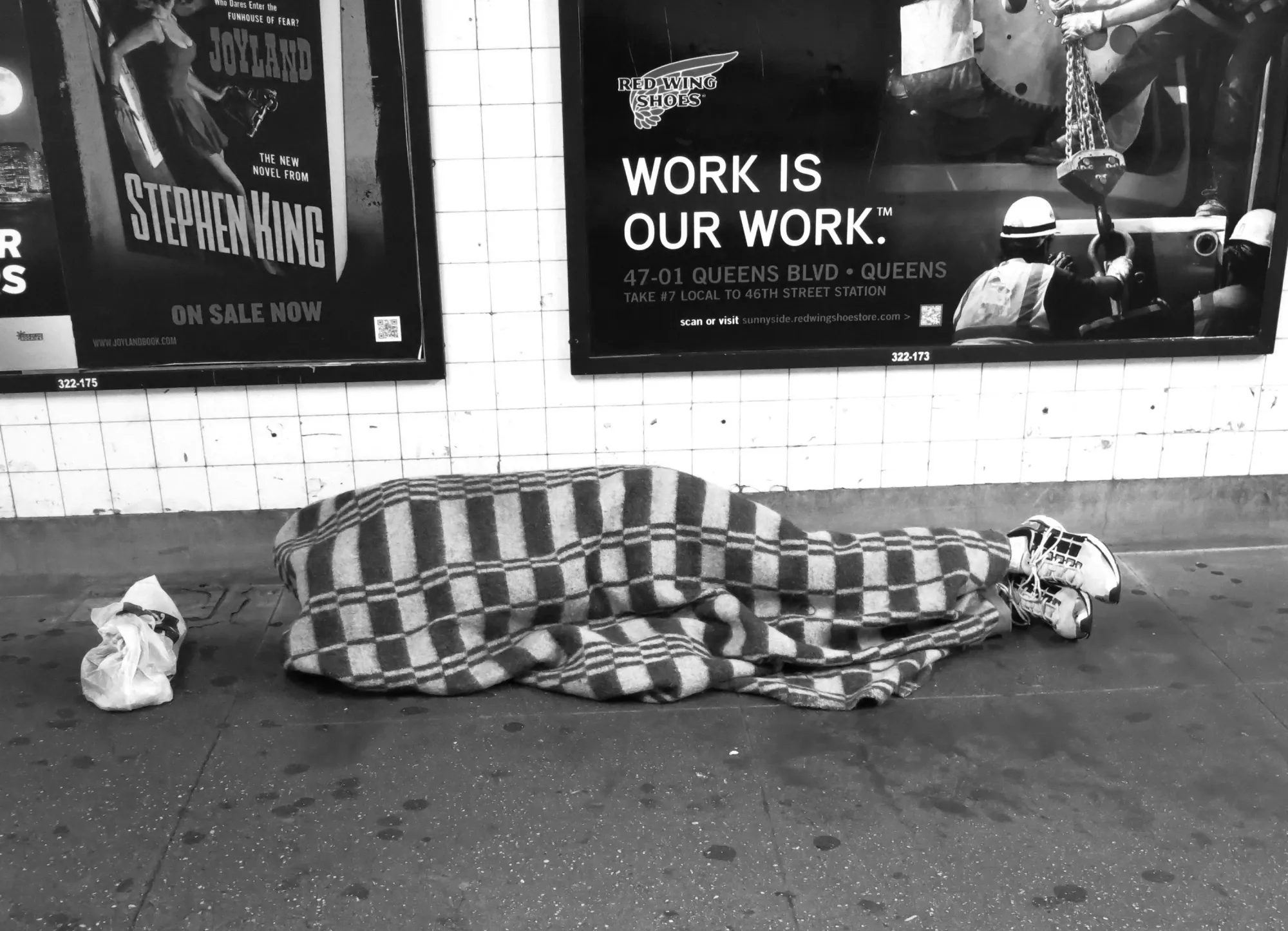
The day is already full.
Behavioral economists Sendhil Mullainathan and Eldar Shafir documented something useful about how scarcity affects cognition. In a series of studies, they showed that financial scarcity—being broke—imposes a cognitive load roughly equivalent to losing thirteen IQ points. Not because poor people are less capable. Because mental machinery is consumed by the immediate.18, 19
Their most striking experiment followed sugarcane farmers in Tamil Nadu, a south Indian state, through a single harvest cycle. The same farmers, tested before harvest when they were poor and after harvest when they had been paid, performed substantially better on cognitive tasks afterward. The thirteen-point gap closed. Their brains had not changed. Their pockets had. The cognitive impairment of poverty, in their study, fully reversed.20
The farmers had been poor in the months leading up to a single annual harvest. They had homes. They had families. They had identities as farmers, futures as farmers, and social networks of other farmers who would also get paid at harvest. Strip away those protective factors, sustain the scarcity for a year instead of a season, and the experiment becomes something different. The reversibility, our neurobiology suggests, becomes only partial. The farmers got their thirteen points back. The chronically homeless do not.
The residents of Skid Row have been telling this same story directly to a camera for years. In Mark Laita’s Soft White Underbelly interviews—a YouTube series that has accumulated thousands of hours of testimony from people on the street in Los Angeles—the same observation surfaces from person after person, in the unprompted way that signals it isn’t ideology but description: there is no time. The day is already too full. Finding a place to sleep takes hours. Finding food takes hours. Charging a phone, getting a shower, refilling a prescription, replacing shoes that were stolen overnight—each of these, without a car, an address, or a safe place to leave belongings, is a half-day errand. By the time the immediate is handled, the day is gone, and tomorrow’s demands are already arriving.21
This is what the loss of temporal anchors looks like from the inside. A housed person treats next week as a place to which they will safely and predictably arrive; to a person living on the street, next week is a hopeful rumor. The cognitive bandwidth that might otherwise be spent on application deadlines, appointment times, or the multistep sequence required to obtain a replacement ID is already burnt. The bureaucracy that requires three appointments at three offices on three different days, in the right order, with the right paperwork, has not misjudged the difficulty of compliance. It has failed to understand what it is asking. It assumes a temporal architecture the applicant no longer possesses.
A research team led by Rebecca Brown documented across two studies, first in Boston in 2012 and later at the University of California, San Francisco, found that homeless adults in their fifties carry geriatric and cognitive burdens closer to those of housed adults a decade or two older—twenty years of biological time, lost to scarcity. The farmers in Tamil Nadu got their thirteen points back. The accumulation that Brown’s team measured never comes back.22, 23
What the Math Says
Here are some numbers, working from estimates in the framework literature and from my own modeling. Eviction prevention or emergency financial assistance, deployed before the first unhoused night, costs from three to five thousand dollars per household. If it works, the cognitive cascade never begins; recovery probability remains effectively 100 percent. Housing intervention at three months—Housing First plus rapid case management—has an expected lifetime cost around $70,000, given a recovery rate of about 70 percent and ongoing support for the 30 percent who don’t fully recover. The same intervention at twelve months runs around $165,000, because the recovery rate has dropped to 25 percent and the ongoing-support population is now 75 percent. Long-term chronic management without resolution runs roughly $400,000 over twenty years, with a recovery rate near 5 percent.24, 25, 26, 27
These numbers may be wrong in their particulars, but they are correct in their shape. Each three-month delay roughly doubles the lifetime cost of resolution, because each three-month delay roughly halves the probability of resolution.
The system spends the most where the brains are least able to use it, and the least where they could.
Now consider how the United States actually spends its homeless services budget. HUD’s competitive Continuum of Care funds—the largest federal stream for direct homelessness response—flow heavily to Permanent Supportive Housing, which by program definition targets chronic homelessness; roughly three-quarters of these competitive funds went to PSH in recent years. The fractions reaching homelessness prevention and the first-months population, where recovery probability is highest, intervention is cheapest, and prevention of chronicity is achievable, are much smaller.28
This allocation is precisely inverted. The system spends the most where the brains are least able to use it, and the least where they could. This is not a compassion problem. It is a systems-design problem. Chronic homelessness is more visible, generates more political pressure, and qualifies people for more program categories. Newly homeless people are by definition harder to find, since they have not yet entered the homeless services system. The system has organized itself around the population it can see, which is the population for whom intervention is most expensive and least effective.
There is a name for this in clinical medicine: late-stage care. We have built the equivalent of a healthcare system that funds hospice generously, oncology adequately, and screening programs barely at all. We are then surprised that people keep dying of advanced cancer.
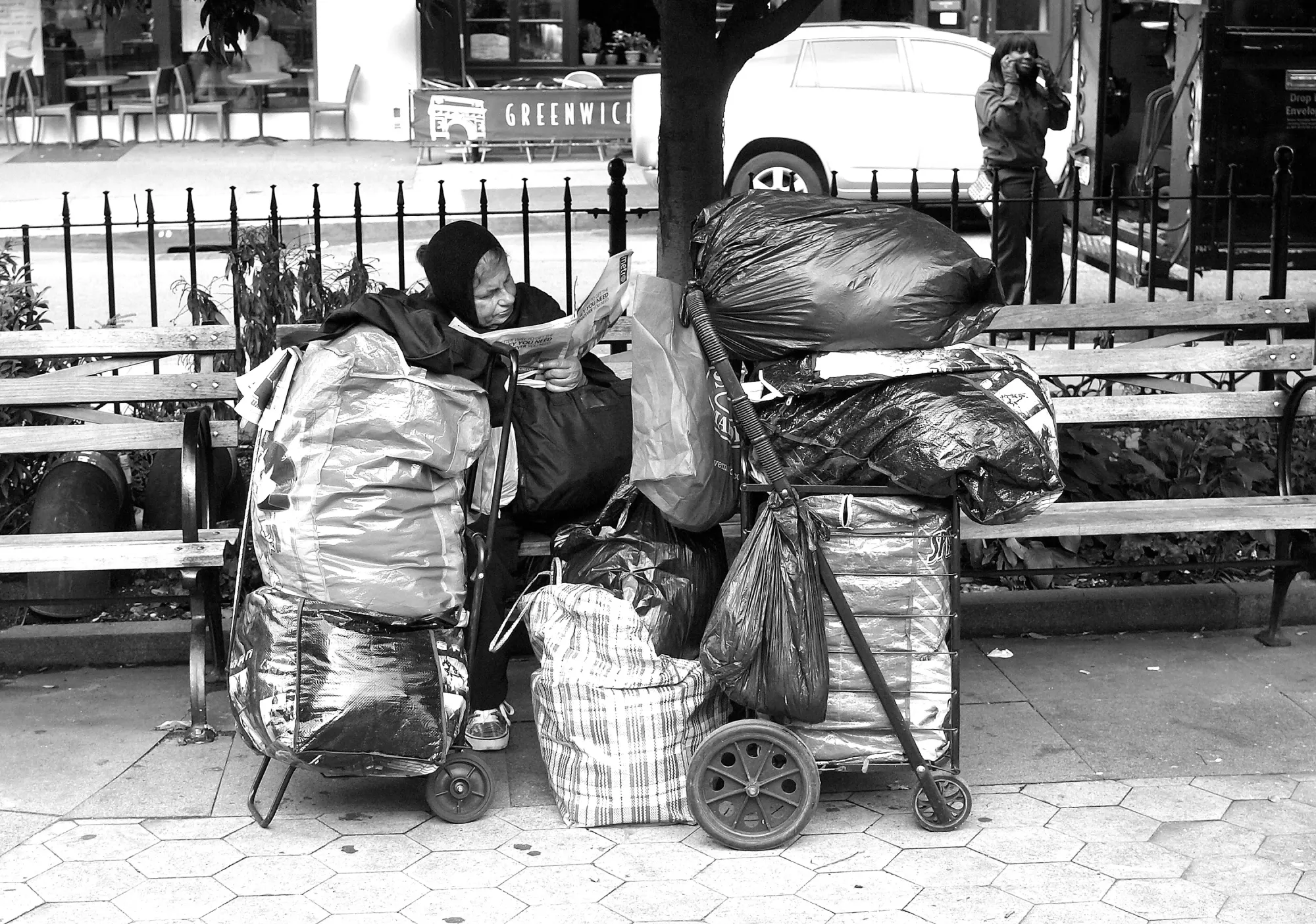
What Would Work
A workable response to the framework requires three components, none individually novel, all currently missing as an integrated system in the United States.
The first is real-time identification at the point of housing loss. Most homeless people enter the homeless services system weeks or months after their first night without a stable address, when they finally appear at a shelter intake or a benefits office. By that point the window has narrowed. The points where housing loss is visible in real time—emergency departments, eviction courts, jail releases, hospital discharges, foster care exits, school enrollment changes—are not currently connected to a rapid response. They could be. A person leaving an eviction hearing without housing should not have to find their way to a shelter system three weeks later. They should leave the courthouse with an appointment.
The second is a place to land that is not a shelter. Emergency shelters as currently configured—group sleeping, night-only access, no privacy, no continuity, little safety, and daytime expulsion—are not a stopgap on the way to housing. They are an enactment of homelessness. They require the person to perform homelessness in order to receive help, which accelerates the identity shift the framework predicts and which the data confirm. What the first six months actually require is a transitional placement that preserves the prehomeless identity: a private room, a lockable door, an indefinite stay, an address you can put on a job application. This is closer to a hotel with services than a shelter. It is also closer, not coincidentally, to what Finland actually built.
The third is counseling calibrated to phase. In the first three months, standard cognitive-behavioral approaches still work because the prefrontal cortex is stressed but functional. Between three and six months, the support has to shift toward external scaffolding—calendars, reminders, accompanied appointments—because the planning apparatus is degrading. After six months, the model has to change again, toward the ultra-low-barrier approaches that meet a 24-hour temporal horizon, with the understanding that recovery to full self-sufficiency is no longer the realistic goal for everyone. This is not defeatism. It is the same clinical honesty that distinguishes early-stage from late-stage care in any other condition.
Finland is the existence proof that the architecture can be built. Beginning in the late 1980s, and accelerating after 2008, Finland adopted a national Housing First policy with rapid scattered-site placement and indefinite tenure. They closed shelters and moved their residents into apartments. Between 1987 and 2023, the country reduced its homeless population by roughly 75 percent, from about 18,000 to roughly 3,400, even as homelessness rose across most of the developed world. They did this by treating housing as a precondition for stabilization rather than a reward for compliance, by intervening early, and by accepting that some fraction of the population will need indefinite supportive housing—and funding it accordingly.29, 30, 31
Since 2023, the trend has reversed. A new Finnish government cut housing allowances and social-security benefits, and the two reports since have shown consecutive rises in homelessness—about 11 percent in 2024, then 20 percent in 2025, the largest single-year increase ARA has ever recorded. Long-term homelessness rose by 29 percent in the most recent year, and street homelessness, which Finland had nearly eliminated, climbed by 50 percent. The reversal is not evidence that the model failed. It is evidence of what the model required to keep working, and what worked was withdrawn.
The Finnish model is not utopian. It is substantially cheaper, on a per capita basis, than what the United States currently does. It just allocates the money differently, and earlier.
There is a constraint the framework cannot wish away. Every transitional placement, recovery residence, or halfway house has to go in some particular neighborhood, and the neighbors get a vote. Graham faced years of opposition in Greenville from residents who did not want the recently incarcerated living among them. He prevailed because he was the kind of man who prevails, and the work he started in Greenville eventually informed a network of similar efforts across the Miami Valley. But the friction never let up, and most people who might consider this work decide, in the face of that friction, not to.
Graham died on January 7, 2026, at age 77, from complications following a routine cardiac procedure. The framework calls for hundreds of placements like the one he built, in hundreds of neighborhoods. Each will face exactly the opposition Graham faced, and many without the man who knew how to prevail. The neurobiology of the recovery window is the easy problem. The political economy of where the recovery actually happens is the hard one.32, 33
What We Don’t Know
A framework like this lives or dies on a study that doesn’t exist yet.
The declining recovery window is built on convergent evidence from stress neurobiology, behavioral economics, habit formation research, and identity theory. It is biologically plausible, clinically resonant, and consistent with the cross-sectional data we have. What it has not been is directly tested. Nobody has enrolled five hundred people within a week of their first night without housing and followed them through the next two years, measuring temporal discounting, executive function, and cortisol at fixed intervals, then tracking who recovered and who didn’t after housing. Such a study would cost roughly two and a half million dollars over four years. The United States spends about twelve billion dollars annually on homeless services. Yet, we have not allocated 0.02 percent of one year’s budget to find out whether we are spending the rest of it at the right time.34
In the absence of that study, three scenarios remain live. Cognitive changes might be largely state dependent and reverse with housing alone, in which case the urgency argument is overstated. They might be partially irreversible, with irreversibility increasing with duration, which is what the convergent evidence suggests and what I think is most likely. They might be largely irreversible past some threshold, in which case the urgency argument is understated and prevention becomes nearly the only thing that works.
Decision theory does not require the question to be settled. In two of the three scenarios, early intervention is the difference between full recovery and permanent functional impairment. In the third, early intervention is somewhat redundant but not harmful. There is no scenario in which acting as if the clock matters produces worse outcomes than the current approach. The expected value calculation favors urgency at every weighting of the unknowns.
Natural History
Twelve years ago, I published a meta-analysis of fifty-six randomized trials of treatments for low back pain. The finding was that 96 percent of improvement in acute cases, and 66 percent in chronic cases, occurred independent of any treatment. Natural history. The body doing its work, with or without our intervention. The implication for clinicians was uncomfortable: if you don’t account for what would have happened anyway, you can’t tell whether you’re actually helping.35 Readers of Skeptic may recognize that framework from earlier work on the chiropractic and low back pain literatures.36 Homelessness inverts it. There, the question was whether treatment could outperform biology’s own recovery. Here, the question is whether intervention can happen before biology’s window for recovery closes.
The homeless service system faces the same epistemological problem in reverse. Instead of overclaiming credit for a recovery that biology was going to deliver, it may be underclaiming the damage that accumulates when biology’s window for recovery is foreclosed by duration. The body wants to heal. The brain wants to plan. Both of these are, under the right conditions, automatic. Both of them require those conditions to be present in time.
I saw Rags many times. In the summer of 1977, I worked in the building that had once been the old Dayton YMCA, since converted into city government offices. I rode the electric bus into work each morning and walked another two blocks to the government building, where I worked on the problem of abandoned housing—which intersected with homelessness. Very often Rags would be there across the street. He was tall, physically imposing in a way that registered before anything else about him did. We would nod and smile to each other. We never exchanged words.
Friends of mine who talked with him during those years told me he turned up at the periphery of nearly every public gathering in town. Concerts in the park, festivals, anywhere a community had assembled. Rags would be there, but always at the edge, never stepping inside the gathering itself. He was drawn to the warmth, my friends said, but kept his distance from it, as though approaching too close might consume him. They would speak to him. The substance of what they said, my friends recalled, mattered far less than the fact of speaking. Human contact was the real message: someone cared enough to acknowledge and reach out to a fellow human. Rags listened to both levels of communication: the words and the intention behind them.
What I saw, and what my friends saw, was the picture the framework predicts: a man whose desire for connection had survived his capacity to act on it. Fifteen years on the street had not extinguished what he wanted from other people. It had eroded the emotional risk-taking machinery for entering a group. The limbic structures that register the warmth of a gathering had not been damaged. The prefrontal and hippocampal systems that would have let him imagine himself across the street, walking into the music, sitting on the grass with the others, had been. He could feel the gathering. He could not construct his way into it. He stood at the edge because the edge was as close as the architecture for approach would carry him.
Social programs fail in part because the biology of decision-making and recovery is overlooked—left out of the design and ignored in the evaluation.
He died at sixty, of a heart attack on the morning shift at Simple Simon. His name was on a National Cemetery stone before Dayton learned the rest of his story. He was a soldier, a seminarian, a brother, a man who fell in love on a train and could not survive what came after. The country he was born into kept him alive long enough to fail him in two psychiatric hospitals, then drove him to a different city and let him sleep in doorways for half his adult life. The country we live in now does it differently. It does not do it less.
Lee Sechrest and Patrick McKnight, my mentors at Arizona, taught that an omitted variable is deadly. The omitted variable in the care of homelessness has been the brain. Social programs fail in part because the biology of decision-making and recovery is overlooked—left out of the design and ignored in the evaluation. Brain science offers the chance to reduce noise and sharpen the signal. If the brain is an omitted variable, restoring it to the context of behavioral programs should improve predictability and outcomes. This should herald a new era in program design and evaluation.
What the framework asks of us is what the framework’s namesake—natural history—has always asked. Pay attention to time. Account for what the body and brain are doing on their own, with or without our help. Show up before the window closes. The clock has always been running. It is time the people designing these interventions stop treating the brain as a black box and start designing for the organ that has to do the changing.
E.O. Wilson predicted decades ago that psychology would eventually be absorbed by biology. For the population this essay is about, that absorption cannot wait.