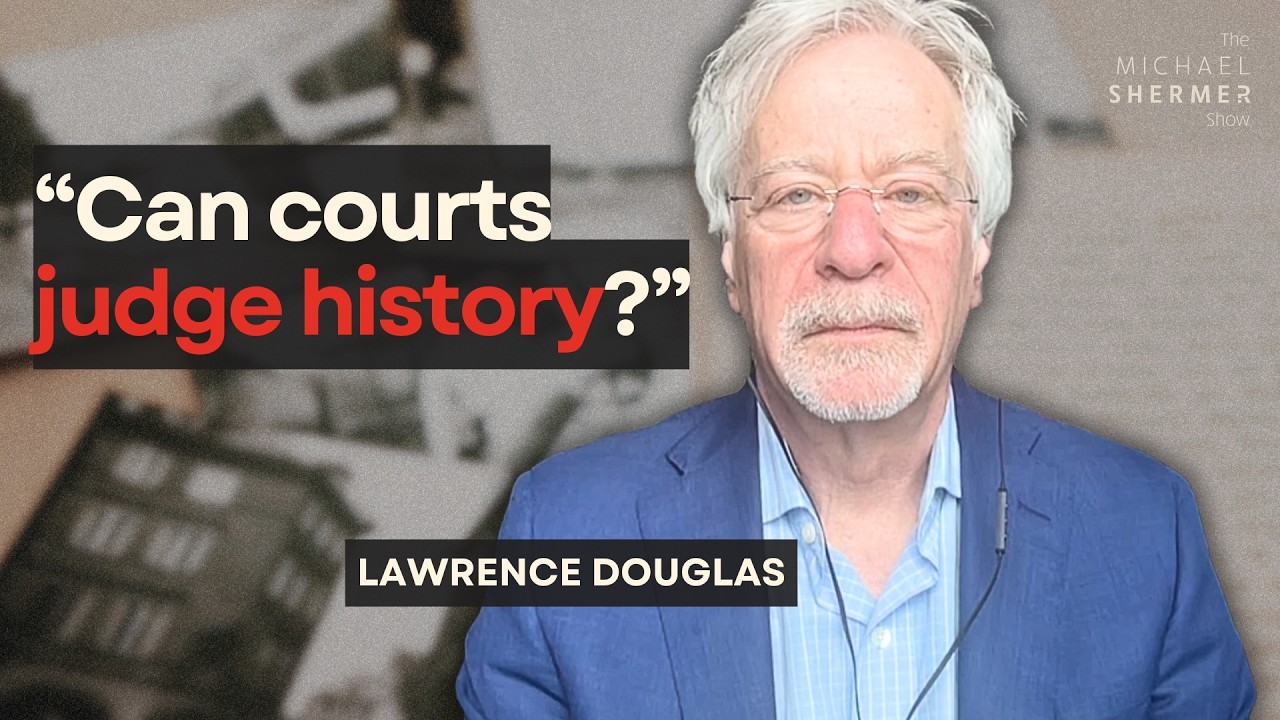

When History Goes on Trial: Demjanjuk, Eichmann, and Justice After Atrocity

About this episode:
John Demjanjuk lived for decades as a retired autoworker in suburban Cleveland. Then investigators accused him of being “Ivan the Terrible,” one of the most notorious guards at Treblinka. What followed was one of the strangest and most troubling Nazi war-crimes cases of the postwar era: extradition, eyewitness testimony, a death sentence, a reversal, and a final prosecution many years later.
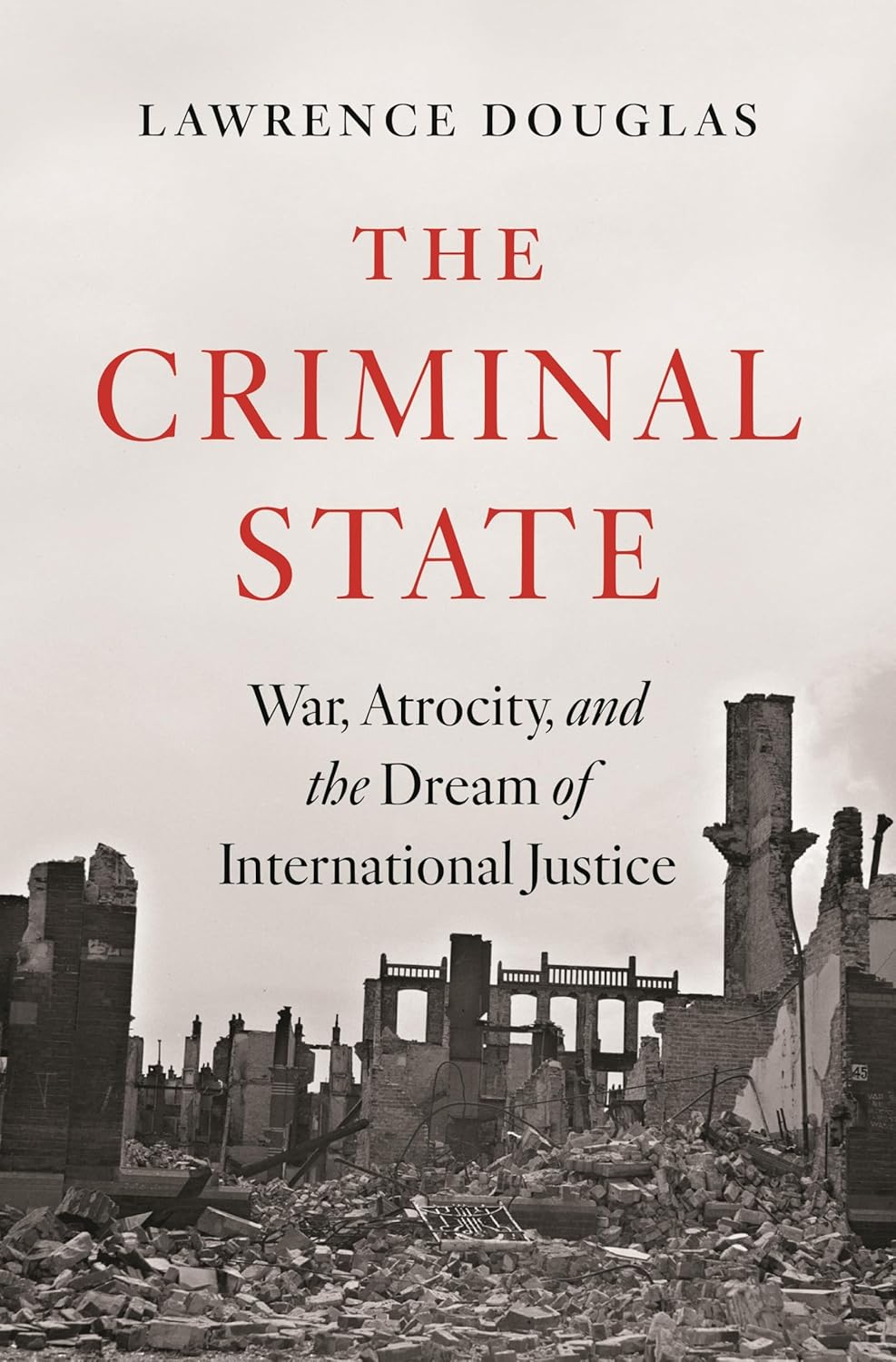
In this episode, Michael Shermer talks with Lawrence Douglas, professor at Amherst College and author of The Criminal State: War Atrocity and the Dream of International Justice, about Demjanjuk, Eichmann, Nuremberg, Holocaust denial, and the problem of proving atrocities decades after they happened.
How reliable is eyewitness memory after 40 or 50 years? What did Nuremberg actually establish? Was Eichmann really just a bureaucrat? And can a courtroom ever deliver justice for crimes almost too large to comprehend?
Lawrence Douglas is the James J. Grosfeld Professor of Law, Jurisprudence, and Social Thought at Amherst College and a Guggenheim fellow. His many books include The Right Wrong Man and The Memory of Judgment. His writing has appeared in leading publications such as Harper’s, The Wall Street Journal, and The Economist. His new book is The Criminal State: War Atrocity and the Dream of International Justice.
Support the show
Did you enjoy this episode? Show your support with a tax-deductible donation and share the show with your friends and family. Together, we can make a meaningful difference.
Transcript
Coming soon...