biology
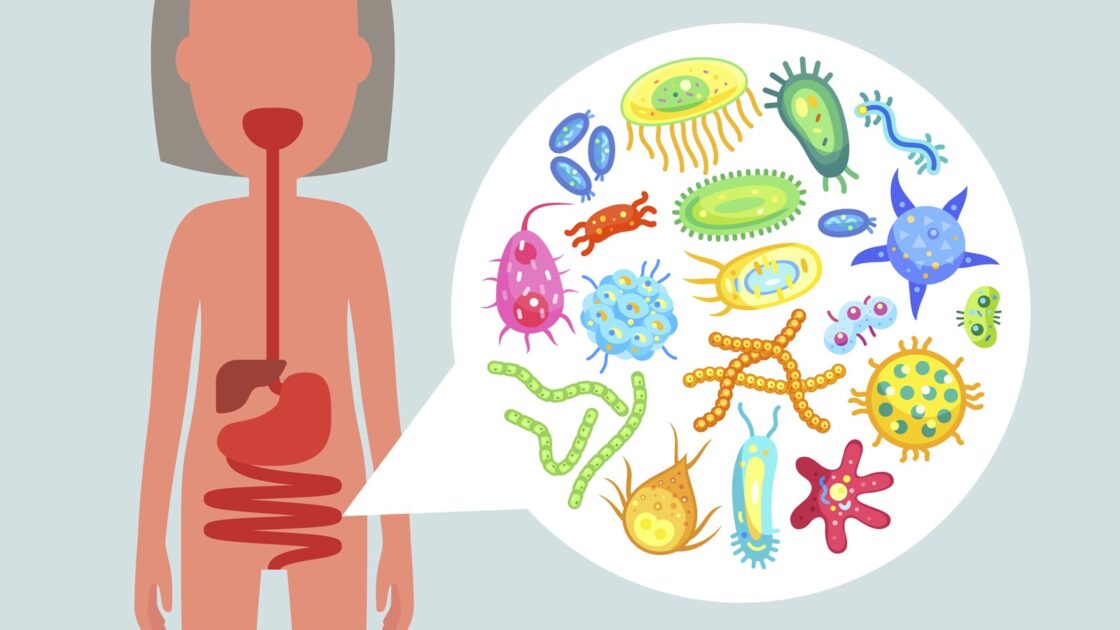
Skeptic: Let’s start with the big questions. What is the problem to be solved? And why is systems biology the right method to find the answer? Leroy Hood: The problem is this great complexity. Reductionism is the approach where you take an element of a complex system and study that element in enormous detail. However, […]
Shermer and Sapolsky discuss: free will, determinism, compatibilism, libertarian free will • Christian List’s 3 related capacities for free will • how what people believe about free will and determinism influences their behaviors • the three horsemen of determinism: (1) reductionism (2) predetermination; (3) epiphenomenalism • dualism • punishment • retributive vs. restorative justice •Is the self an illusion? • game theory evolution of punishment • luck • and meaning (or lack thereof).
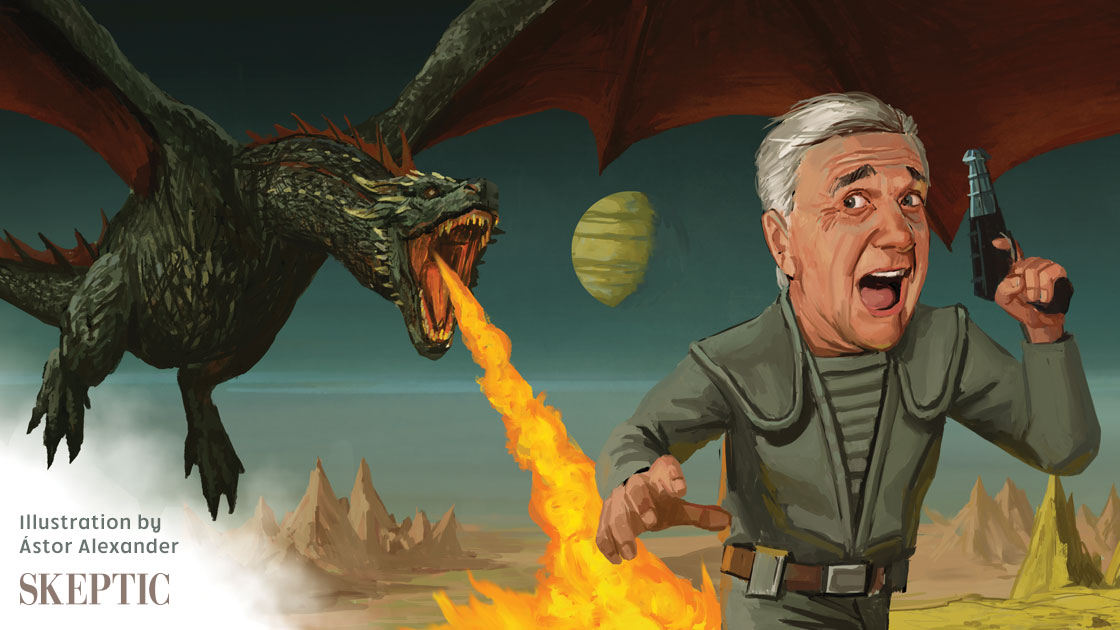
I’m a Monster Biologist. No — that’s not a self-aggrandizing professional description. I actually think about the biology of monsters. Twenty years ago, when I first conceived of Biology 485 as a rigorous treatment of “Why Things Aren’t,” I figured that it was already nearing obsolescence. Surely the speed of information through this new-fangled Internet, […]
Hood, Price, and Shermer discuss: why we age and die • sickcare vs. healthcare • the 10 most popular drugs in the U.S. work for only about 10% of treated people • chronological age ≠ biological age • life expectancy, life span, longevity, and healthspan • why eliminating all cancers would only increase average life span by 3 years • genome vs. phenome • gut biome • optimizing brain function • brain plasticity • sleep, nutrition, exercise • Alzheimer’s • AI and…
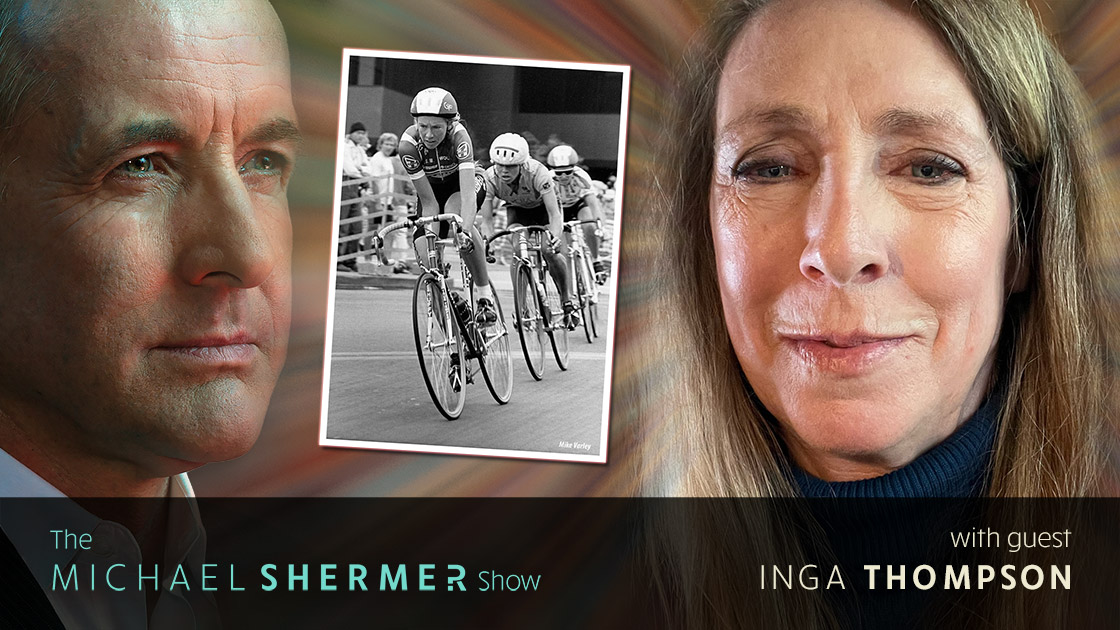
Shermer speaks with Inga Thompson, one of the most decorated cyclists in American history, about what happened to her when she recently spoke out in defense of women’s rights.
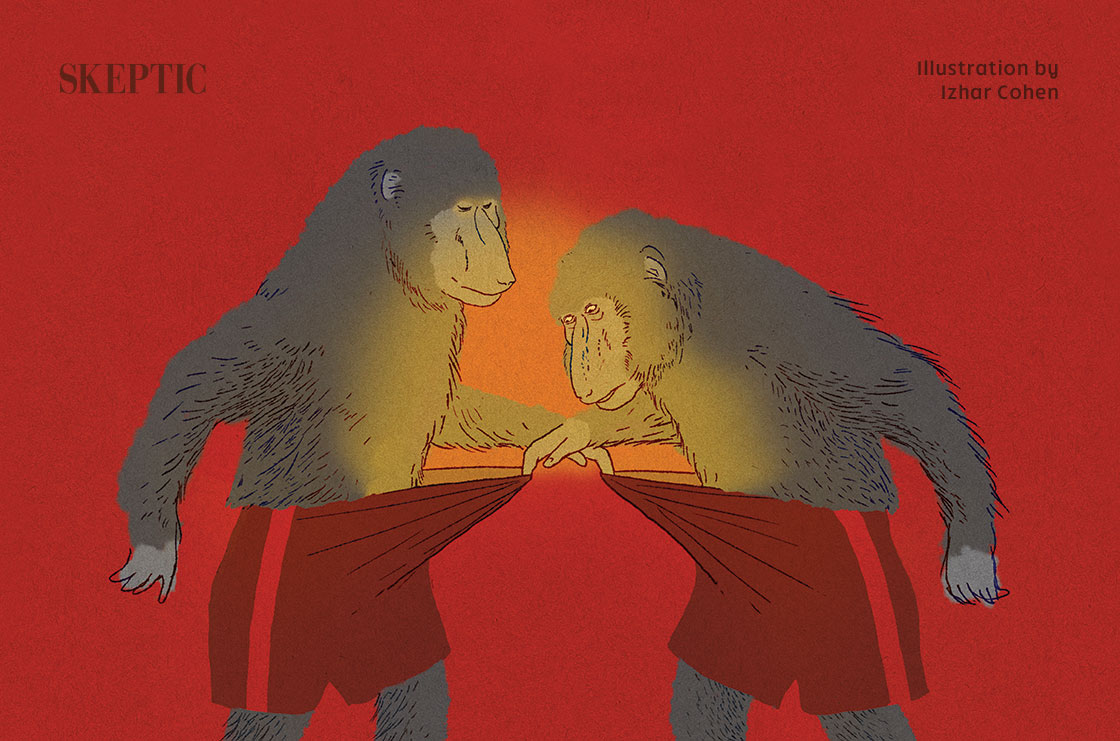
The assertion that human sex differences are socially constructed is part of a broad anti-science movement that has enveloped academia and distorted our basic understanding of science. Sex is not a simple matter of socialization and male and female are fundamental distinctions deeply rooted in biology. This is an article about how we went from sex to gender and how the push for a sexless society is a dangerous and utopian vision that cuts us off from our evolutionary history.

According to the standard model of evolutionary psychology females tend to be sexually coy, discriminating, and risk averse while males are sexually assertive, indiscriminate, and risk taking. Not so fast, says Carol Tavris in this skeptical look at the standard model, as context and species also matters in how we analyze behavior, especially sexuality.
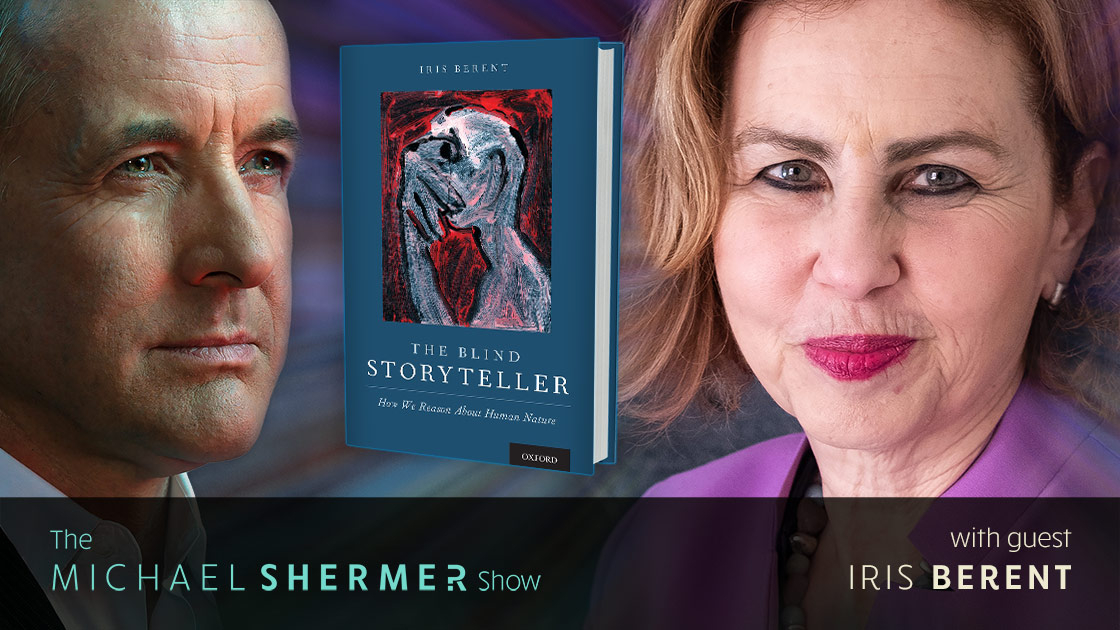
Shermer and Berent discuss: nature/nurture genes/environment biology/culture • language and innate knowledge • what babies are born knowing • how people reason about human nature • dualism • essentialism • theory of mind • the nature of the self • innate beliefs in the soul and afterlife • free will and determinism • how people think about mental illness and disorders • how one’s theory of human nature effects one’s attitudes about nearly everything.

If race is a social construct with no meaningful biological foundation, then why do medical doctors and researchers collect information about a patient’s race, along with gender and other characteristics? Harriet Hall considers the concept of race from a medical perspective: what we know, what we don’t know, and what difference it makes.
Trans rights are human rights, but rights do not mean that any of us can do anything we like any time. There are restrictions on our actions, and when there are conflicting rights something must give. In this article on trans athletes, Michael Shermer explains why Male-to-Female trans athletes competing in women’s sports is unfair and a threat to the hard-earned rights of women to compete in their own athletic divisions, and why biological males that have gone through puberty…
Was the great scientist E. O. Wilson a racist? No! Because Wilson corresponded with the notorious race differences psychologist Phillippe Rushton, critics claim it proves Wilson was a racist. Here’s why the critics are wrong, dangerously wrong.
In this letter to Bert Hölldobler, following up on his defense of his long-time colleague E. O. Wilson, who has been falsely accused of racism and knowingly promoting race science, Mel Konner, who also knew and worked with Wilson, reinforces the point that Wilson’s defense of Philippe Rushton was done out of concerns about academic freedom; in fact, Konner notes that there are other reasons for critiquing Wilson, primarily for his ultimate rejection of kin selection — one of the…
Mel Konner, in response to Bert Hölldobler’s defense of E. O. Wilson, reinforces the point that Wilson’s defense of Philippe Rushton was done out of concerns about academic freedom; PLUS: Michael Shermer speaks with Oliver Stone about Ukraine, Putin, and the military-industrial complex.
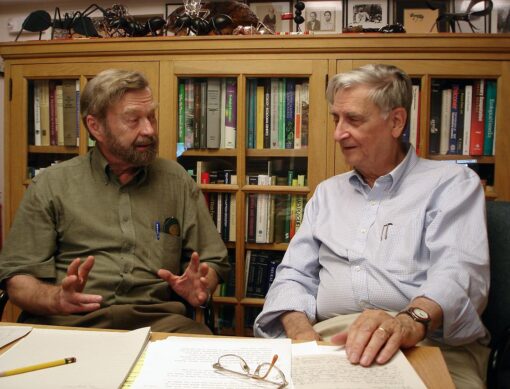
Is there vigilantism in science? Was the renowned Harvard biologist E. O. Wilson wrongly convicted of racism and promoting race science in the court of public opinion? Yes, says his long-time collaborator and world-class scientist Bert Hölldobler.
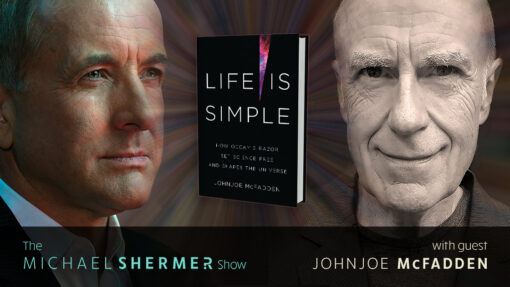
Michael Shermer speaks with Professor of Molecular Genetics, Johnjoe McFadden, about: our medieval ancestors • science and religion • how pre-modern theologians thought about the nature of reality • Ptolemaic vs. Tychonic vs. Copernican world systems • simplicity in math, physics, biology, medicine, and the social sciences • quantum physics and simplicity • Postmodernism and the search for Truth • Is science more Bayesian than Popperian? • the anthropic cosmological principle • the hard problem of consciousness.
Social psychologist Carol Tavris thoughtfully explores and questions “affirmative trans medicine,” the latest dangerous medical practices bubble. Few question the mystifying explosion of cases of gender dysphoria among adolescents and the proliferation of clinics to treat them. Vulnerable teens and baffled parents resort to internet misinformation and succumb to biased media influence, while experts spurn exploratory therapies and promote untested treatments that have long-term effects. Dissenters are vilified and silenced as being transphobic. PLUS: Michael Shermer Speaks with Johnjoe McFadden…
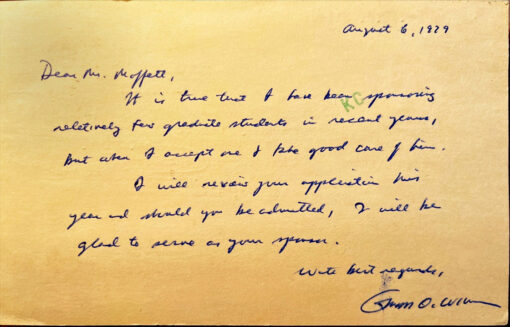
To honor the legendary evolutionary theorist and biologist Edward O. Wilson, who passed away on December 26 at the age of 92, his former student Mark Moffett, pays tribute to his mentor in this deeply moving memoir of his time working with the great scientist.
In Science Salon # 115, Michael Shermer speaks with scientist and historian Matthew Cobb about his book The Idea of the Brain: The Past and Future of Neuroscience which traces how our conception of the brain has evolved over the centuries.
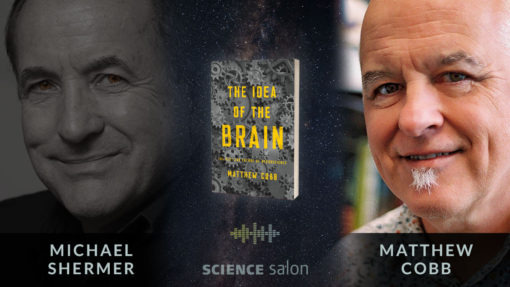
In Science Salon # 115, Michael Shermer speaks with scientist and historian Matthew Cobb about his book The Idea of the Brain: The Past and Future of Neuroscience which traces how our conception of the brain has evolved over the centuries.
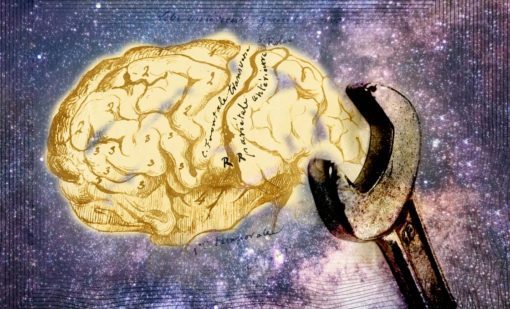
Peter Barglow, MD reviews Mind Fixers: Psychiatry’s Troubled Search for the Biology of Mental Illness by Anne Harrington.
NEXT →