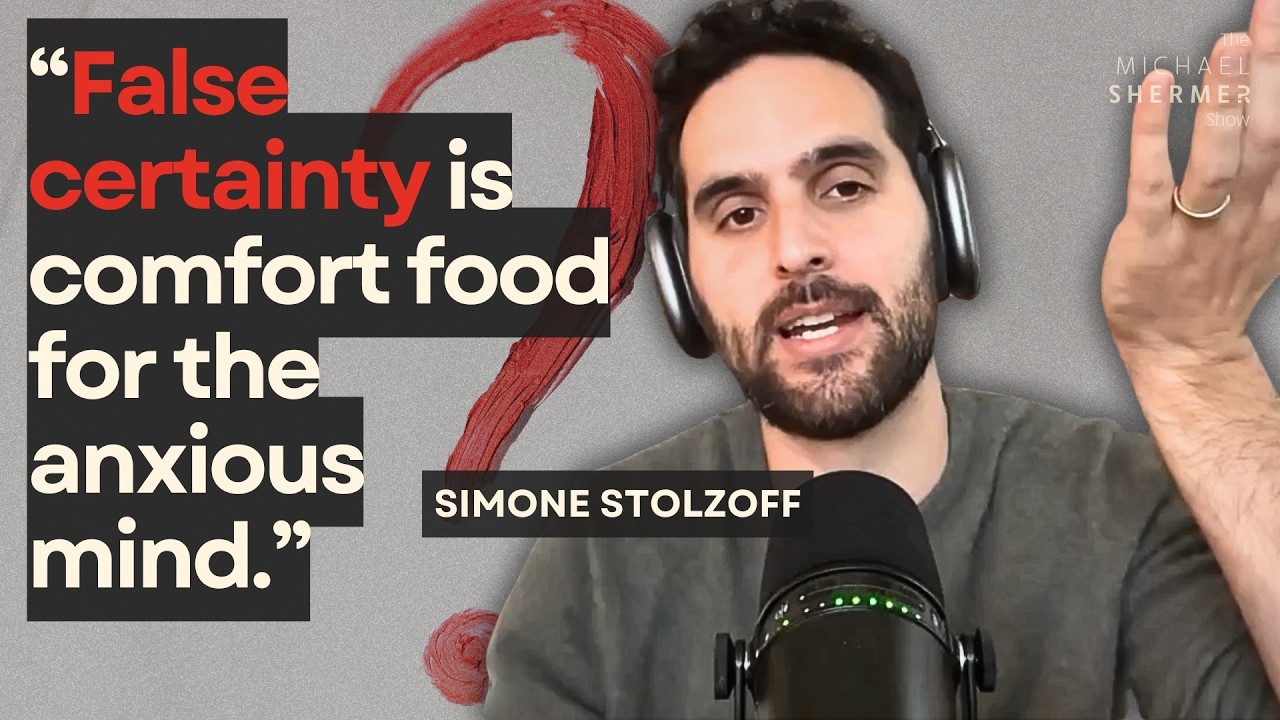

Why We Cling to Certainty, Conspiracies, and Bad Predictions

About this episode:
We like to think the future can be figured out if we just gather enough information. Pick the right expert, read the right forecast, find the right framework, and the fog will lift.
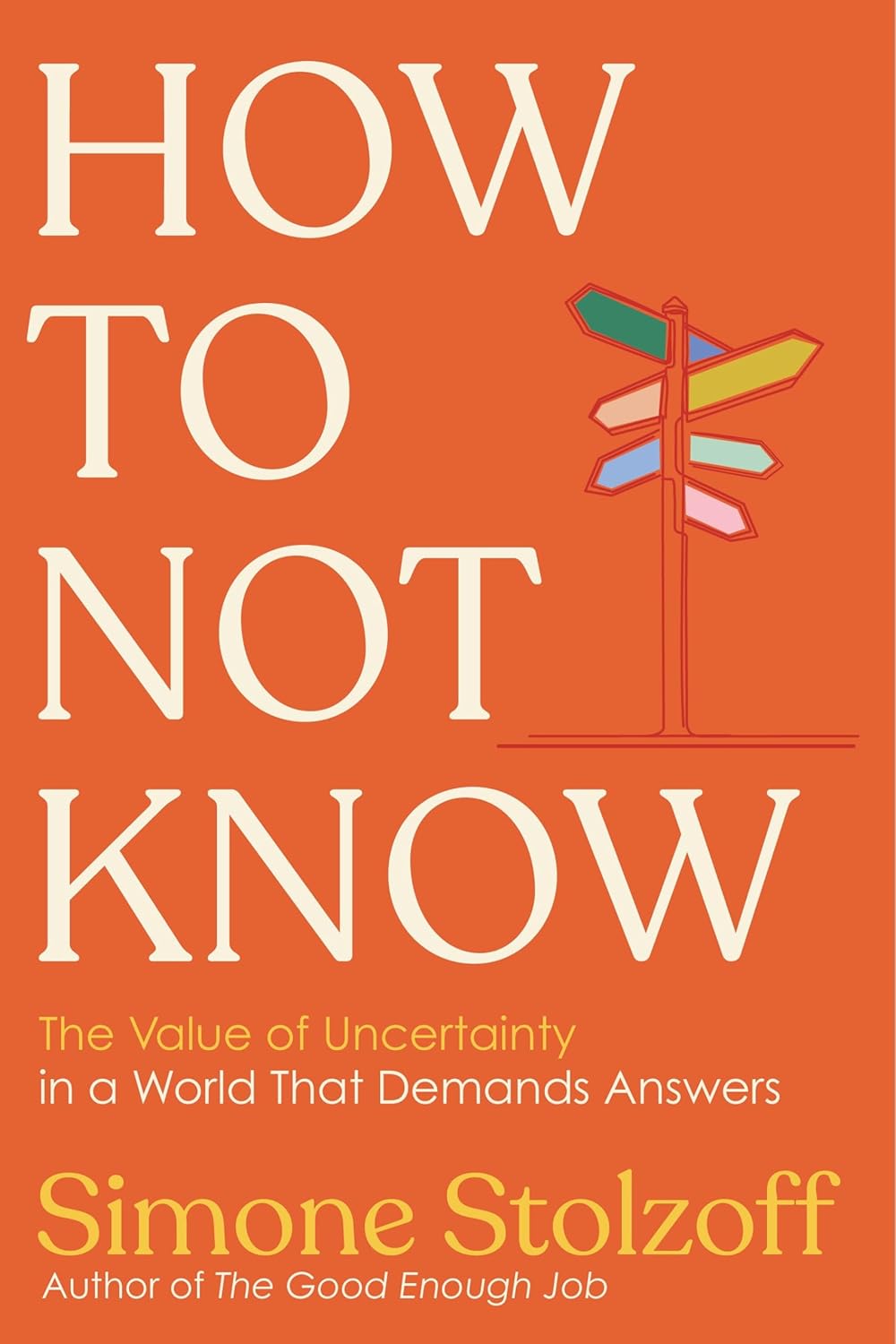
Simone Stolzoff argues that this impulse often works against us. In his new book How to Not Know, he makes the case for getting better at uncertainty—not as a slogan, and not as an excuse to believe nothing, but as a practical skill: knowing when to act without perfect information, when to distrust easy answers, when to revise your beliefs, and when uncertainty might point toward something worth discovering.
The conversation covers why people cling to conspiracy theories, what cults offer that ordinary life does not, why experts are so bad at predicting the future, how the replication crisis changed psychology, what relationships teach us about irreversible choices, and why the unknown is not only frightening, but also where possibility begins.
Simone Stolzoff is a San Francisco–based journalist and author. His work has appeared in The New York Times, The Atlantic, and on the TED stage. He is a graduate of Stanford University and the University of Pennsylvania. His debut book, The Good Enough Job, has been translated into more than a dozen languages. His new book is How to Not Know: The Value of Uncertainty in a World That Demands Answers.
Support the show
Did you enjoy this episode? Show your support with a tax-deductible donation and share the show with your friends and family. Together, we can make a meaningful difference.
Transcript
Coming soon...