brain
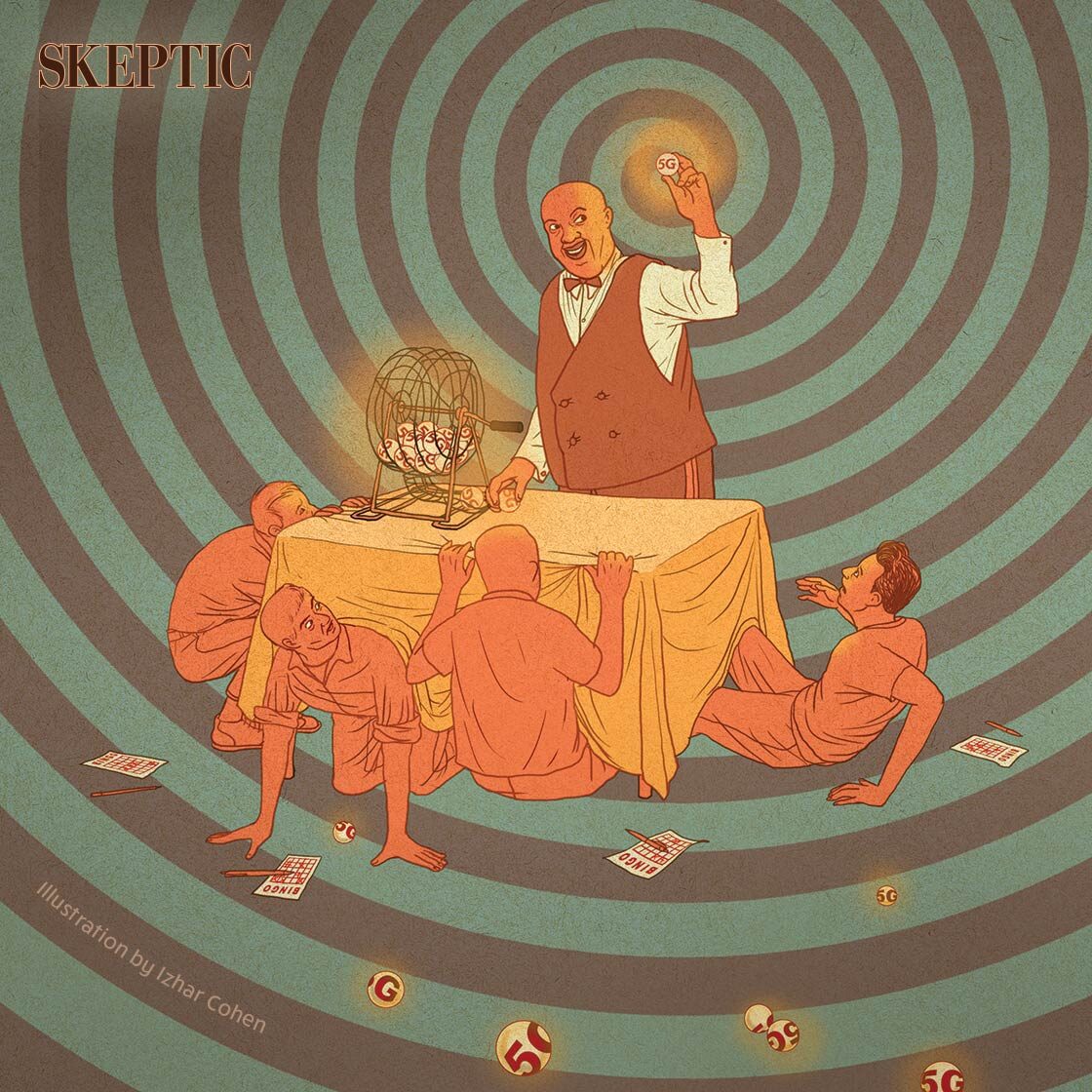
With the widespread use of cell phone towers and internet technology, concerns have arisen over health effects of wireless energy, most notably with the recent introduction of Fifth Generation (5G) wireless network technology. Public health expert Raymond Barglow reviews the epidemiological data and science behind these concerns and shows that there is, in fact, nothing to worry about.
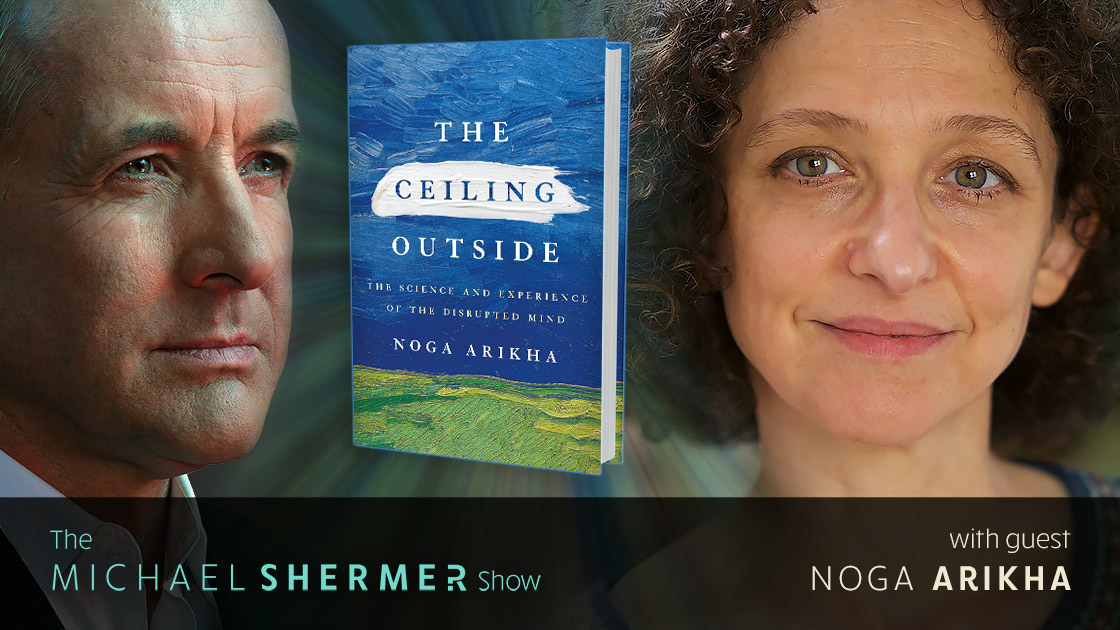
Shermer and Arikha discuss: dementia, senility, Alzheimer’se • mental illness and the labeling problem • the social construction of mental illness • neurology and psychiatry • agency and volition • memory and amnesia • autobiographical memory • self and embodied self • brain modularity • brain as a machine • emotions and cognition • conversion disorder/hysteria • depression • metacognition • exteroception and interoception.
In episode 232, Michael Shermer speaks with neuroscientist and professor of psychology, Amishi Jha, about how to achieve Peak Mind, based on her book Peak Mind: Find Your Focus, Own Your Attention, Invest 12 Minutes a Day.
In episode 232, Michael Shermer speaks with neuroscientist and professor of psychology, Amishi Jha, about how to achieve Peak Mind, based on her book Peak Mind: Find Your Focus, Own Your Attention, Invest 12 Minutes a Day.
In episode 221, Michael Shermer speaks with Antonio Damasio about recent findings across multiple scientific disciplines that have given rise to new understandings of consciousness.
In episode 221, Michael Shermer speaks with Antonio Damasio about recent findings across multiple scientific disciplines that have given rise to new understandings of consciousness.
Science writer and weekly advice columnist Amy Alkon debunks widely-accepted but scientifically unsupported notions about self-esteem, shame, willpower, and more and demonstrates that thinking your way into changing (as so many therapists and self-help books advise) is the most inefficient way to go about it. Shermer and Alkon also get into the #metoo movement, evolutionary psychology, politics, depression, suicide, Jordan Peterson, and other fascinating topics.
In Science Salon # 31, Michael Shermer talks with the science writer and weekly advice columnist Amy Alkon about her new book, Unf*ckology: A Field Guide to Living with Guts and Confidence.
Software programmer and technical writer Peter Kassan avers that a return to dualism is not justified. This article appeared in Skeptic magazine 22.4 (2017). About the image below: An illustration of the Cartesian theater. A tiny person sits in a movie theater inside a human head, watching and hearing everything that is being experienced by […]
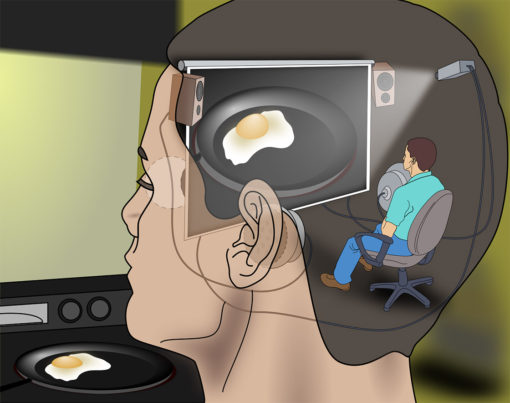
Software programmer and technical writer Peter Kassan avers that a return to dualism is not justified. This article appeared in Skeptic magazine 22.4 (2017).
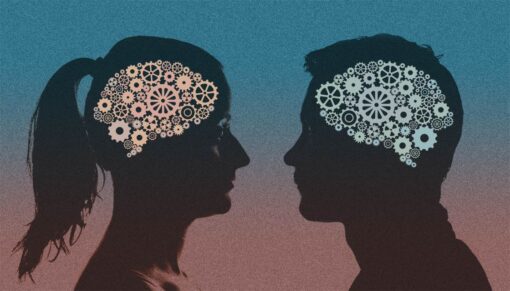
Diane F. Halpern presents some of the theories and research that have explored individual differences in cognition between women and men, and discusses what we know and what we don’t know.
In this week’s eSkeptic, Diane F. Halpern presents some of the theories and research that have explored individual differences in cognition between women and men, and discusses what we know and what we don’t know.
Bernard Leikind takes a satirical look at the question of Adam’s IQ and the idea that we only use 10% of our brains.

Bernard Leikind takes a satirical look at the question of Adam’s IQ and the idea that we only use 10% of our brains.
In this week’s eSkeptic: Guns in the U.S.: — We’re Better at Killing Americans Than Our Enemies Are (an LA Times op-ed by Michael Shermer); When Cops Kill: An Insider’s Perspective; Insight at Skeptic.com: The 10 Percent Brain Myth
Have you heard that we only use 10 percent of our brains? Imagine what we could accomplish if we could discover how to use that other 90 percent! There’s only one problem: none of that is true. Humans use every part of our brains.

Mike McRae describes how the development of Ionian coinage may have provided a metaphorical scaffold for considering an economics of nature—a rules-based system, upon which science is built.
In Do Zombies Dream of Undead Sheep?, Dr. Bradley Voytek, a professor of computational cognitive science and neuroscience at the University of California, San Diego, applies neuro-know-how to dissect the puzzle of what has happened to the zombie brain to make the undead act differently than their human prey.
In this myth-busting talk based on his new book, U.C. Irvine cognitive scientist Dr. Gregory Hickok calls for an essential reconsideration of one of the most far-reaching theories in modern neuroscience and psychology. Ever since the discovery of mirror neurons in macaque monkeys in 1992 there has been a stream of scientific studies implicating mirror neurons in everything from schizophrenia and drug abuse to sexual orientation and contagious yawning. Drawing on a broad range of observations from work on animal…
In this lecture, based on her book, Me, Myself and Why Jennifer Ouellette addresses the science of the self and delivers a fascinating survey of the forces that shape who we are and why we act the way we do.
NEXT →